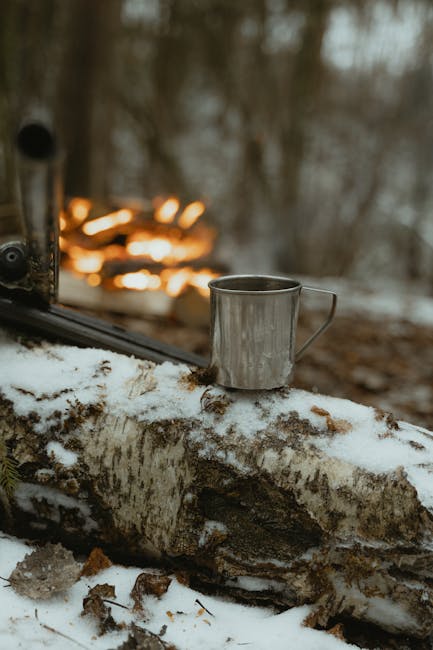
Essential Components for an Effective Survival Kit
Survival kits are a critical tool for emergency preparedness, whether you’re a seasoned adventurer or simply looking to ensure your family’s safety in various scenarios such as natural disasters, unforeseen events, or outdoor explorations. To effectively address the needs of potential emergency situations, a well-stocked and thoughtfully assembled survival kit is indispensable. In this article, we will explore the essential components of an effective survival kit, providing valuable insights to help you prepare for the unexpected.
Overview of a Survival Kit
A survival kit is a collection of essential items needed to aid survival in emergency situations. Kits vary widely depending on the anticipated challenges and the environment. However, certain fundamental items are universally crucial for most survival scenarios.
Primary Components of a Survival Kit
1. Water and Hydration Supplies
- Importance of Water: Water is crucial for survival, and having a reliable supply in your kit is essential.
- Storage Options: Include several liters of water per person, ideally in sturdy containers.
- Purification Methods: Water purification tablets, filters, or a portable filtration system are vital for ensuring access to safe drinking water.
2. Food and Nutrition Sources
- Non-Perishable Food: Pack energy-rich, easy-to-consume food items such as energy bars, dried fruits, nuts, and canned goods with a long shelf life.
- Cooking Supplies: Simple multi-use cookware and a compact, reliable stove can be included for heating food.
3. First Aid Kit
- Comprehensive Supplies: Include bandages, antiseptic wipes, antibiotics, painkillers, and specific medication if needed.
- Instruction Booklet: A basic first aid manual is essential to manage medical emergencies effectively.
4. Clothing and Shelter
- Adaptable Clothing: Pack clothing suited for extreme weather conditions, including moisture-wicking layers and thermal insulation.
- Emergency Shelter: Options include tents, space blankets, or heavy-duty tarpaulins to provide protection from the elements.
5. Tools and Equipment
- Multipurpose Tools: A high-quality knife, a multi-tool, and durable rope should be included.
- Illumination: Headlamps, flashlights, and extra batteries are crucial for visibility.
- Fire Starting Tools: Waterproof matches, lighters, and fire starters are essential for warmth and cooking.
6. Navigation Aids
- Maps and Compass: Reliable, up-to-date maps and a compass are crucial for navigation, especially in unfamiliar territories.
- GPS Devices: In tech-savvy kits, include a GPS device or a satellite phone for emergencies where traditional navigation tools fail.
7. Communication Tools
- Whistle and Signal Mirror: These can be used to signal for help from rescuers.
- Portable Radio: A battery-operated or hand-crank radio can help stay updated with weather alerts and other crucial information.
Special Considerations for Survival Kits
Addressing Individual Needs
- Chronic Medications: Include a sufficient supply of any prescribed medications.
- Special Dietary Requirements: Ensure that any food allergies or needs are considered when selecting kit contents.
Geographic Specificity
- Local Hazards: Tailor your kit based on local wildlife, climate, and geographical threats (e.g., bear spray in bear country, cold-weather gear for northern climates).
Frequently Asked Questions About Survival Kits
How Often Should I Update My Survival Kit?
It’s advisable to review and update your survival kit at least once a year. Check expiration dates on food and medical supplies, and replace any used or outdated items.
What Is the Ideal Size for a Survival Kit?
The size of your survival kit should be manageable enough for you to carry in an emergency yet sufficiently stocked to sustain you for at least 72 hours.
Can I Purchase a Pre-Made Survival Kit?
While pre-made kits are available and can serve as a good starting point, customizing your kit is crucial to cater to personal and specific situational needs.
Conclusion
Putting together an effective survival kit is a proactive step towards ensuring safety and preparedness in dire situations. By understanding and gathering the essential components discussed, you can create a tailored survival kit that meets your specific needs. Remember, the goal of any survival kit is to help you manage independently during emergencies until assistance arrives or the situation is resolved. Prioritize regular reviews and updates to your kit to maintain its relevance and effectiveness.