
Emergency Preparedness: The Essentials of First Aid and Wellness
In times of an emergency, being prepared with the basics of first aid and maintaining wellness are crucial. This comprehensive guide will cover what you need to know about setting up an effective first aid kit, mastering fundamental first aid techniques, and ensuring physical and mental wellness during stressful situations.
Setting Up Your First Aid Kit
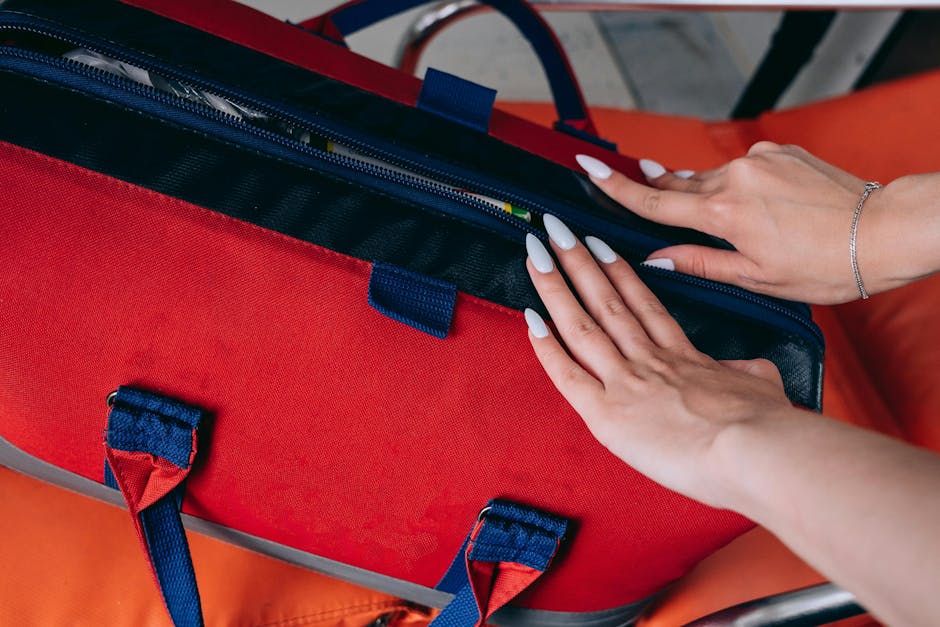
An adequately stocked first aid kit is a cornerstone of emergency preparedness. Whether you’re at home, in your car, or at the workplace, it’s essential to have a first aid kit ready. Here’s what you should include:
- Basic Supplies: Band-aids, gauze pads, adhesive tape, and scissors.
- Cleaning Agents: Antiseptic wipes and hydrogen peroxide to disinfect wounds.
- Protection Gear: Gloves, masks, and safety goggles to protect yourself and others from infections.
- Medications: Pain relievers, anti-allergy medications, and antacids.
- Tools: Tweezers and thermometers.
- Emergency Items: Emergency blankets, flashlights, and extra batteries.
Remember, the contents of your first aid kit can be customized depending on your specific needs and the likely risks in your environment.
Basic First Aid Techniques Everyone Should Know
Knowing basic first aid can make a significant difference in emergency situations before professional medical help arrives. Here are some essential first aid techniques:
- CPR (Cardiopulmonary Resuscitation): Useful in life-threatening situations like a heart attack or near drowning, where someone’s breathing or heartbeat has stopped.
- The Heimlich Maneuver: An emergency procedure to help clear the airways if someone is choking.
- Wound Care: Proper cleaning, disinfecting, and bandaging to prevent infection.
- Sprains and Breaks: Immobilization techniques and knowing when to seek immediate medical intervention.
- Burns: Immediate care techniques, including running cool (not cold) water over the burn and applying a loose, sterile, nonstick bandage.
Maintaining Wellness in Emergencies
In the wake of an emergency, physical health is crucial, but mental health often becomes a secondary concern. However, maintaining mental wellness is equally vital. Here are some strategies:
- Stress Management: Employ relaxation techniques such as deep breathing, meditation, or yoga.
- Stay Informed: Keep up-to-date with information from verified sources to understand the situation better and reduce anxiety.
- Keep a Routine: As much as possible, maintain a regular schedule or routine to help provide a sense of normalcy.
- Connect with Others: Maintaining social connections, even virtually, can provide emotional support.
Training and Resources
To enhance your preparedness, consider taking a certified first aid course. Organizations like the American Red Cross and the American Heart Association offer training suited for different audiences, including specific courses for workplaces, schools, and specialized environments.
Frequently Asked Questions About First Aid and Wellness in Emergencies
How often should I check and update my first aid kit?
It’s advisable to review your first aid kit at least annually. Replace any expired or used items, and consider any new needs based on your current living or working environment.
What is the best way to learn effective first aid techniques?
The most effective way is through hands-on training offered by certified organizations. Online resources and manuals are great supplements but attending practical sessions and re-certification courses periodically is crucial.
How can I maintain mental health during a prolonged crisis?
Long-term crises require coping strategies that include staying active, maintaining a healthy diet, getting enough sleep, and seeking professional mental health support if needed.
Conclusion
Being well-prepared with the essentials of first aid and wellness strategies can significantly impact your ability to manage during emergencies. Dedicate time to assemble a comprehensive first aid kit, learn vital first aid procedures, and pay attention to your mental wellness as much as your physical safety. Preparedness is your best defense in any crisis.




