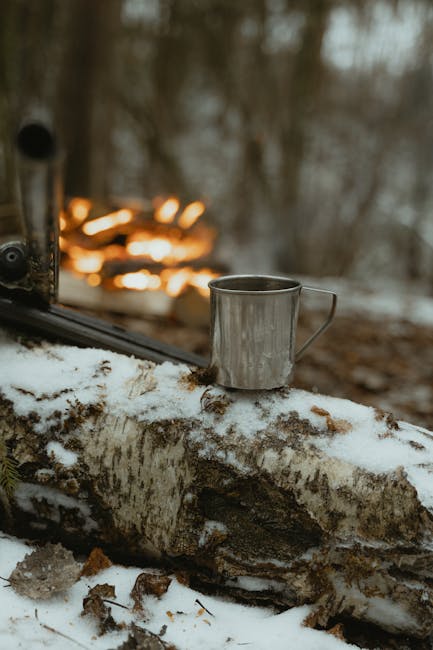
Embracing the Wilderness: Secrets to Sustainable Off-Grid Living
Introduction to Off-Grid Living
In an era dominated by technological advancements and urban sprawl, more individuals are seeking refuge in the tranquility of the wilderness. Off-grid living, a lifestyle choice to live self-sufficiently without reliance on public utilities, has gained popularity. This article explores the essentials of sustainable off-grid living, offering the blueprint required for a harmonious existence with nature.
Why Choose Off-Grid Living?
Independence and Eco-Friendliness
Living off the grid provides a unique form of independence from societal systems. It means reducing your carbon footprint and engaging more directly with your environment. By generating your own power, sourcing water, and managing waste sustainably, you minimize your impact on the planet.
Health and Well-Being Benefits
Off-grid living often leads to a physically active lifestyle, reduced stress levels due to a closer connection with nature, and improved mental health. The tranquil and scenic surroundings can provide a naturally therapeutic environment, enhancing overall well-being.
Core Components of Off-Grid Living
Sustainable Energy Sources
Solar Power
The most common and accessible form of renewable energy for off-grid homesteads is solar energy. Installing solar panels can harness the power of the sun to generate electricity, heat water, and more.
Wind and Hydro Power
For those situated in wind-prone or water-rich areas, wind turbines and hydroelectric systems can be viable options. These systems complement solar power by providing energy during overcast days or in different seasons.
Water Sourcing and Management
Harvesting Rainwater
Collecting and storing rainwater is an essential aspect of off-grid living. It involves setting up a collection system, usually on your roof, and funneling water into storage tanks.
Natural Water Sources
If accessible, natural sources like streams or wells can be invaluable. However, it’s crucial to ensure water purity and legality in tapping these sources.
Waste Disposal Solutions
Composting Toilets
These toilets offer an efficient solution to manage human waste without the need for sewerage systems. They convert waste into usable compost, often used for non-edible plant nourishment.
Recycling and Reducing Waste
Minimizing waste production is vital in off-grid living. Embracing recycling, repurposing, and responsibly disposing of waste can significantly less common challenges.
Building and Maintaining Your Off-Grid Home
Choosing Sustainable Materials
When constructing an off-grid home, it’s essential to use materials that are sustainable, have low environmental impact, and provide adequate insulation. Natural and locally sourced materials often meet these criteria and blend seamlessly into the surrounding landscape.
Design for Efficiency
Plan your home layout to utilize natural light, maintain temperature, and optimize your use of renewable resources. Features like south-facing windows, thermal mass for heat storage, and proper ventilation systems can significantly enhance your home’s energy efficiency.
Living Off-Grid: Daily Life and Challenges
Food Production and Preservation
Growing your own food not only assures a fresh supply but also deepens your self-sufficiency. Gardening, along with preserving techniques such as canning and drying, can sustain a household through varied seasons.
Connectivity and Communication
While off-grid living aims for independence, maintaining some level of connectivity can be important for safety and connectivity to the wider society. Solutions like satellite phones, internet services, and even radios are commonly used.
Overcoming Isolation
Living off the beaten path might lead to feelings of isolation. Building a community with nearby off-grid neighbors or scheduling regular trips into local towns can help maintain a balanced social life.
Preparing for Emergencies
Tools and Skills
Ensure you have basic tools and develop skills necessary for off-grid repairs and emergencies. Knowledge in areas such as first aid, mechanical repairs, and natural disaster preparedness are indispensable.
Backup Systems
Having backup systems in place for critical components like water purification and energy supply can safeguard against unforeseen circumstances, ensuring continued survival and comfort.
Conclusion: Is Off-Grid Living for You?
Off-grid living is not just about survival; it’s about thriving in harmony with nature. It demands resilience, preparation, and a deep commitment to sustainable practices. By understanding the essentials laid out in this article, prospective off-gridders can better prepare to make the leap, ensuring they not only survive but flourish in their new wilderness environment.
Embracing off-grid living can be one of the most rewarding decisions, offering a profound connection with the natural world and a sustainable lifestyle. With the right tools, knowledge, and mindset, the wilderness isn’t just livable—it’s a place to thrive.