Wilderness Survival Skills: Your Ultimate Guide
Surviving in the wilderness is both a challenge and an adventure. Whether you find yourself in a survival situation due to a hiking mishap, a camping excursion gone awry, or a more intentional off-grid foray into nature, knowing some basic survival skills can be life-saving. Here, we explore essential techniques and strategies that anyone venturing into the great outdoors should know.
H1: Understanding the Basics of Wilderness Survival
H2: The Survival Priorities
Whenever you find yourself in a potentially threatening outdoor situation, remembering the survival priorities is crucial. These priorities are often remembered by the acronym “STOP”: Stop, Think, Observe, and Plan. By following these steps, you can maintain calmness and make informed decisions.
H2: Crafting a Survival Mindset
Survival is as much about mental strength as it is about physical capabilities. Stress can cloud judgment and lead to panic; therefore, cultivating a positive, proactive survival mindset is essential. Training your mind to handle stress and to think clearly under pressure is as critical as mastering physical survival skills.
H1: Key Wilderness Survival Skills
H2: Building a Shelter
Protection from the elements is your first line of defense in the wilderness. Knowing how to build a shelter using natural materials can help maintain body temperature and provide a psychological boost. You can create a lean-to, a debris hut, or even utilize naturally occurring shelters like caves or large trees.
H2: Finding Water
Finding a reliable water source is typically your next priority after securing shelter. Streams, rivers, and lakes are obvious sources, but you can also collect rainwater or create a solar still. Remember, water from natural sources should be purified before drinking, either by boiling, using water purification tablets, or employing a water filter.
H2: Fire Starting Techniques
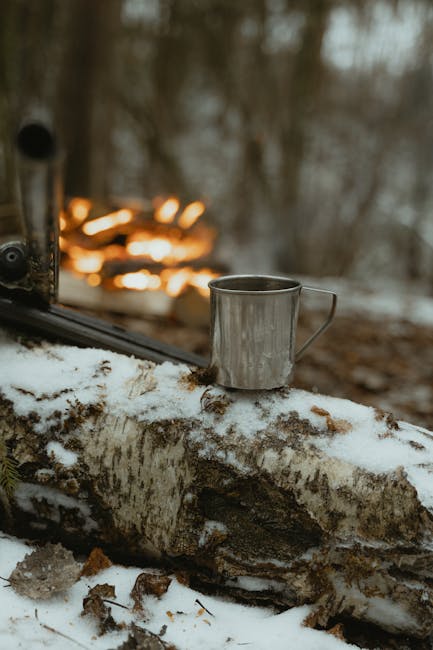
Fire is essential for warmth, cooking, and as a signal for help. Common fire-starting techniques include using a flint and steel, friction-based methods like the bow drill, or modern conveniences like waterproof matches or lighters. Always carry a means to start a fire when heading into the wilderness.
H2: Signaling for Help
In a situation where rescuers might be searching for you, being visible is crucial. Use signals like smoke from a fire during the day and firelight or flashlights at night. Carrying a whistle or a mirror to reflect sunlight can also help in making your location known to rescuers.
H2: Navigating Your Way
Being able to navigate effectively can prevent or shorten the duration of your survival situation. Basic navigation skills include understanding how to use a map and compass. Modern technology, such as GPS devices or smartphone apps, are also valuable tools, but always have a backup traditional method.
H2: Food for Survival
While you can survive for weeks without food, having the ability to identify and capture food can boost your energy and morale. Learn to identify edible plants, insects, and learn the basics of trapping and fishing. Always prioritize safety and legality in survival hunting scenarios.
H1: Frequently Asked Questions About Wilderness Survival
H2: What are the most important survival items to carry?
Always pack the “Big Five”: a knife, means to make fire, medical supplies, shelter materials, and a water purification method. These items are foundational to addressing your primary survival needs.
H2: How can I improve my wilderness survival skills?
Practice is key. Engage in regular camping trips, take survival courses, and continuously educate yourself about the wilderness and survival techniques. Books, online resources, and hands-on workshops are great ways to increase your knowledge and skills.
H2: What are the common mistakes in wilderness survival?
Underestimating the environment and overestimating one’s skills top the list of common mistakes. Lack of preparation, poor risk evaluation, and inadequate supplies also frequently contribute to survival situations becoming emergencies.
H1: Concluding Thoughts on Wilderness Survival
Surviving in the wilderness demands respect for nature and an understanding of the fundamental survival skills. By preparing adequately, practicing essential skills, and maintaining a calm, resourceful mindset, you can dramatically increase your chances of not just surviving, but thriving, in any wilderness situation. Remember, the wilderness offers unique challenges and opportunities; embracing both can provide a profoundly enriching experience.