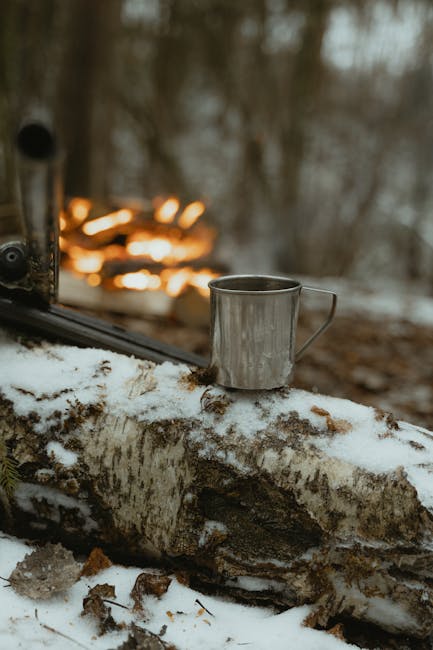
Forest Survival Essentials: Mastering the Art of Wilderness Thrival
The call of the wilderness is enticing, and as more people seek escape in nature’s embrace, understanding the art of survival in forest environments becomes crucial. Venturing into the woods is not just about enduring; it’s about thriving. This comprehensive guide will equip you with the essential skills and knowledge required to transform your wilderness experience from mere survival to complete thrival.
Understanding Your Environment
Before setting foot in the forest, familiarize yourself with the specific environment you plan to explore. Each forest ecosystem, from rainforests to boreal woods, has its own set of challenges and resources. Learn about local wildlife, weather patterns, and potential hazards like poisonous plants or unstable terrain. This preliminary research is key for your preparation and safety.
Key Tools and Gear for Forest Survival
Adequate equipment can make the difference between a successful outing and a precarious situation. Here’s a list of essential gear:
- Navigation tools: A reliable compass and detailed topographic maps are indispensable for route finding, especially in dense woods where GPS signals may be unreliable.
- Survival knife: Choose a sturdy, sharp knife that can help with building shelter, preparing food, or making tools.
- Water purification system: Access to clean drinking water is vital. Include a portable water filter or purification tablets in your pack.
- Fire-starting kit: Have multiple means to start a fire, such as waterproof matches, a lighter, and fire starters; these are essential for warmth and cooking.
- Shelter materials: A lightweight, waterproof tent or tarp is crucial for protection against the elements. Add some thermal blankets for insulation during colder nights.
Navigating Through the Forest
Understanding how to navigate through dense and potentially disorienting forest terrain is a fundamental survival skill. Use a combination of your compass and natural landmarks to maintain your bearings. Always stay aware of the direction of water flow, as rivers and streams can lead to trails or civilization. Similarly, mastering the use of the sun’s position and movement can provide guidance when compasses and maps are not readily available.
Finding and Purifying Water
Water is your most critical resource in the forest. Locate fresh water by following animal tracks or natural valleys. Once you find a source, always purify it to avoid waterborne diseases. Boiling water is one of the most effective methods, but having a filtration system as a backup is recommended for efficiency and safety.
Foraging and Hunting Skills
Your ability to identify edible plants and effectively hunt or fish can make your forest experience not just survivable but enjoyable. Educate yourself on local plant life to distinguish between nourishing flora and harmful toxins. For hunting, simple tools like snares or a bow and arrow can be crafted from materials found in the environment, or brought along as compact versions.
Building a Safe Shelter
Your shelter should be sturdy enough to withstand the elements and positioned in a safe location. Avoid areas prone to natural dangers like falling branches, flooding, or wildlife paths. Utilize the natural resources around you to build a shelter that can keep you warm and dry. Learning different types of shelters, such as leaf huts or debris shelters, is advantageous depending on your scenario.
Fire Mastery
Creating and maintaining a fire is crucial for heat, light, cooking, and even psychological comfort. Understand different fire-building techniques and have a reliable method for igniting a flame. It’s also important to adhere to all fire safety guidelines to prevent wildfires, especially in dry conditions.
Staying Safe and Healthy
In addition to dealing with potential injuries, it’s also vital to manage your physical and mental health. Know basic first aid to treat minor injuries or react effectively in emergencies. Maintain your health by setting up a balanced diet and keeping hydrated.
Mental resilience is just as crucial. The isolation and stress of a survival situation can affect your decision-making and morale. Stay positive and mentally active by setting small, achievable goals.
Conclusion
Mastering forest survival doesn’t just come from carrying the right gear or memorizing techniques; it comes from a mindset that values preparation, respect for nature, and continuous learning. By gathering knowledge, practicing skills, and preparing adequately, you can ensure that your time in the wilderness isn’t about just making it through — it’s about thriving amidst the innate challenges and beauty of the forest.
With these essentials covered, you’re well on your way to mastering the art of wilderness thrival, ensuring every forest adventure is safe, enjoyable, and fulfilling. Embrace the learning curve, respect your environment, and enjoy every step of your journey in the great outdoors.