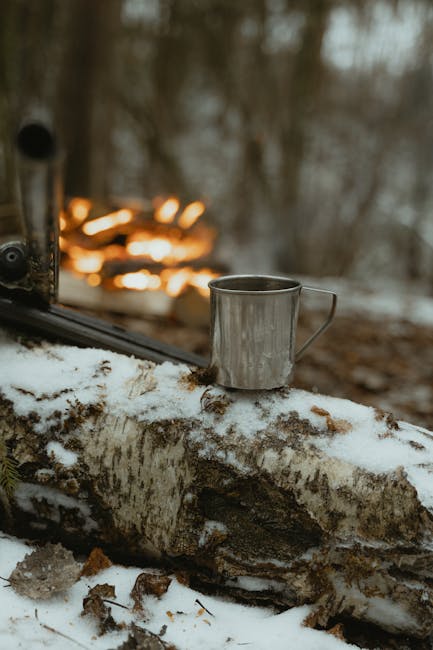
Survival Strategies and Secrets for Thriving in the Wild
Exploring the great outdoors can be a thrilling adventure. However, it also poses significant challenges and dangers. Knowing key survival strategies is essential for anyone venturing into the wild. Whether you’re planning a hiking trip, a camping expedition, or a wilderness survival test, understanding the basics of survival can mean the difference between thriving and facing serious predicaments. This guide covers essential tips and techniques to help you not only survive but also thrive in the wild.
Understanding Basic Survival Priorities
Survival in the wild depends on prioritizing your needs correctly. The most commonly accepted method is to follow the ‘Rule of Threes’ which dictates:
- You can survive three minutes without air.
- You can survive three hours without shelter in a harsh environment.
- You can survive three days without water.
- You can survive three weeks without food.
Addressing these needs in the correct order is crucial to increasing your chances of survival. Immediate threats to life include hypothermia or hyperthermia, dehydration, and injuries, which must be managed before securing food.
Finding and Creating Shelter
Shelter protects you from the elements, including extreme temperatures and hazardous wildlife. When looking for shelter, consider locations that offer natural protection, such as caves or overhangs. However, beware of potential dangers such as wild animals or flooding.
Building a Shelter
If natural shelters are not available, you may need to construct one. Materials such as fallen branches, foliage, and even snow can be used to create insulation from the cold or shade from the sun. The type of shelter depends on the environment: a lean-to for temperate regions or a snow cave for wintry conditions.
Securing and Purifying Water
Since the human body rapidly depletes water reserves through sweat and other bodily functions, finding a water source is critical. Look for flowing water, as stagnant water is more likely to contain pathogens.
Water Purification
Once you find water, make sure it’s safe to drink. Boiling water is the most effective method to kill pathogens. If boiling isn’t possible, water purification tablets or filters can also be used to make water safe.
Finding Food in the Wild
While food is not an immediate survival priority, it becomes important for long-term survival situations. The wild offers various sources of nourishment:
- Edible plants: Knowing how to identify edible from poisonous plants is essential. Books or apps on local flora can be vital tools.
- Protein sources: Insects, fish, and small mammals are viable protein sources. Primitive hunting tools like spears or traps can be fashioned from natural materials.
Safe Consumption Practices
Always ensure that whatever you forage or hunt is safe to eat. Avoid eating any animal that shows signs of disease. Cooking food not only makes it safer to consume but can also help in digesting it more efficiently.
Navigating the Wilderness
Getting lost can turn a survival situation dire quickly. Navigation skills are essential:
- Use of a compass: Always carry a compass and know the basics of reading it alongside a map.
- Natural navigation cues: In the absence of a compass, the sun, stars, and even certain plant growth patterns can help in determining directions.
Survival Tools and Equipment
Having the right tools can enhance your ability to survive. A basic survival kit should include items like:
- A high-quality knife
- Water purification methods
- A fire starter
- A compass and map
- Emergency shelter materials such as a lightweight tarp or emergency blanket
Don’t underestimate the importance of personal preparedness—mental tenacity, knowledge of survival techniques, and physical fitness play critical roles in wilderness survival success.
Conclusion
Thriving in the wild demands respect for nature, preparedness, and a calm demeanor in face of adversities. With the right survival skills, you can enjoy the wilderness safely and confidently. Remember, every element of preparation increases your odds of not just surviving, but truly thriving, no matter the challenges the wild presents.
FAQs in Wilderness Survival
What is the most important survival skill?
The most important survival skill is the ability to stay calm and think clearly under pressure. Panic can lead to poor decision-making and potentially fatal mistakes.
How can I improve my survival skills?
Regular practice and learning are key. Participate in survival workshops, read survival literature, and practice making shelters or purifying water to enhance your skills.
While thriving in the wild is no easy task, with the right knowledge and tools, you can turn a precarious situation into a testament of your wilderness savviness and resilience.