
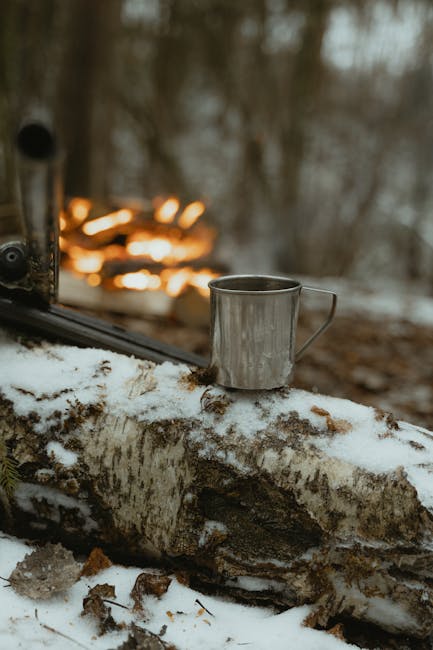
Mastering the Wild: Essential Survival Skills for Thriving in Nature
Surviving and thriving in the wilderness is a skill that has fascinated humanity for centuries. Whether you’re an avid outdoorsman, a casual hiker, or someone planning their first camping trip, knowing basic survival skills is crucial. In this comprehensive guide, we’ll explore essential techniques that everyone should know to ensure safety, sustain life, and make the most of their time in nature.
Understanding Basic Wilderness Survival Principles
Before diving into specific skills, it’s important to understand the core principles of wilderness survival. The most commonly accepted framework is the “Rule of Threes,” which states that you can survive:
- Three minutes without air
- Three hours without shelter in harsh environments
- Three days without water
- Three weeks without food
These guidelines help prioritize survival tasks based on immediate needs and potential threats from the environment.
Building and Finding Shelter
Finding or creating shelter is critical as it protects you from the elements and can be a major morale booster. Types of shelters include:
- Natural shelters: Caves or overhangs that require little to no modification.
- Debris huts: Constructed from available materials like branches, leaves, and moss to insulate and protect against wind and rain.
- Lean-tos: Simple structures built against a tree or rock.
When choosing a location for your shelter, consider safety from falling branches, ease of rescue, proximity to water, and protection from harsh winds.
Securing Clean Water
Water is a priority, and finding a water source is typically your next step after establishing a shelter. Look for streams, rivers, or lakes. If those aren’t available, morning dew or rainwater can be viable sources. Purifying found water is critical to avoid pathogens that can cause illness. Boiling water is the most effective method, but chemical treatments or filtering are also popular choices for wilderness survival.
Understanding Navigation
Navigating the wilderness effectively can prevent you from becoming lost and help you find rescue points or essential resources. Skills include:
- Map reading: Understanding topographic maps and harnessing the layout of the land.
- Compass use: Knowing how to read a compass and its interaction with the natural environment.
- Natural navigation: Using the sun, stars, and natural landmarks to guide your path.
Finding Food in the Wild
While you can survive weeks without food, gathering food can help maintain your energy and health. Edible plants, insects, and hunting small game are practical approaches. However, knowledge of local fauna and flora is crucial to avoid consuming poisonous species. Learning the basics of setting snares and fishing can also increase your chances of a substantial meal.
Edible Plants and Insects
Foraging for edible plants and insects can be a reliable food source. Key edible plants include dandelions, clovers, and wild onions. For protein, consider earthworms, crickets, and even ants, but ensure they are cooked when possible to kill any harmful bacteria.
Hunting and Trapping
For larger meals, understanding the basics of hunting and trapping is beneficial. Simple traps like the deadfall or snare traps can be effective for small animals like rabbits or squirrels. Practice these skills beforehand in a controlled environment to ensure ethical and efficient use.
Fire Creation and Management
Mastering the art of making fire is perhaps one of the most iconic survival skills. Fire serves many purposes: it can keep you warm, cook food, purify water, and signal for help. Techniques for starting a fire include using a flint and steel, matches, lighters, or friction-based methods like the bow drill. Keeping your fire-making tools dry is essential.
First Aid and Self-Care
Basic first aid knowledge is vital in handling potential injuries when medical help is not immediately available. Key skills include:
- Treating cuts and abrasions
- Managing sprains and breaks
- Recognizing signs of hypothermia and heatstroke
- Creating splints or bandages from natural materials
Preparing a well-stocked first aid kit before any wilderness adventure is also a critical step in survival preparedness.
Conclusion
Mastering these essential survival skills can transform your outdoor experiences, making you more confident and safe as you explore the natural world. Whether it’s a short day trip or an extended wilderness excursion, preparedness is key. Continual learning and practice are necessary to refine these skills and apply them effectively in real-world scenarios. By embracing these techniques, you not only ensure your safety but also enhance your connection to nature and your enjoyment of the great outdoors.





