
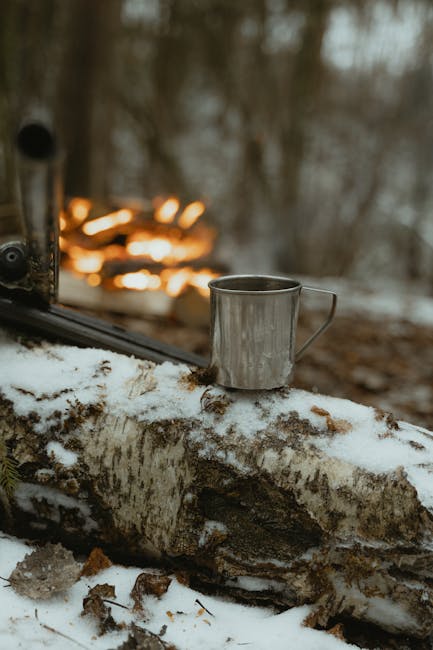
Essential Survival Skills for Thriving in Wild Forests
Thriving in wild forests is an adventure that calls for resilience, adaptability, and a comprehensive set of survival skills. Whether you are a seasoned outdoor enthusiast or a novice eager to explore the wilderness, understanding essential survival techniques is crucial. This article delves into the key survival skills you need to navigate and thrive in wild forests efficiently and safely.
Understanding Basic Wilderness Survival Principles
Prepare and Plan
Preparation is your first line of defense in any survival situation. Always start by informing someone about your travel plans and expected return time. Research the area you plan to visit, understand the local climate, potential dangers, and wildlife you might encounter. Moreover, preparing a route and alternative escape paths are essential steps.
Survival Kit Essentials
Equipping yourself with a basic survival kit is mandatory. Your kit should include items like a knife, waterproof matches, a whistle, a first aid kit, a multi-tool, and a flashlight. Also, consider carrying a topographic map, compass, and GPS device to aid in navigation.
Shelter Building Techniques
Choosing a Suitable Location
When lost in a forest, constructing a shelter is paramount to protect yourself from harsh weather conditions and wild animals. The ideal location is on flat ground, away from potential hazards like insect nests and falling branches.
Types of Shelters
There are several types of shelters to consider, such as lean-tos, A-frames, and debris huts. Each has its advantages depending on the materials available and the environmental conditions. Understanding how to build these can significantly increase your chances of enduring harsh weather.
Water Procurement and Purification
Finding Water Sources
Water is a critical survival element. In forests, water can typically be sourced from streams, rivers, and lakes. Collecting rainwater or creating condensation traps are also viable techniques.
Purification Methods
Drinking contaminated water can lead to severe illnesses. Boiling is the most reliable method to purify water. Chemical treatment and filtration are other effective methods, provided you have the necessary tools in your survival kit.
Food Procurement Techniques
Safe Foraging
Foraging for wild edibles is a valuable skill. However, it requires knowledge of local flora to avoid consuming toxic plants. Books, apps, and local guides can be instrumental in learning about safe plants in a given region.
Hunting and Trapping
In absence of stored food, knowing how to hunt and trap small animals can sustain you. Simple traps like snare loops can be effective. However, these skills require practice and understanding of animal behavior and habitat.
Fire Building Fundamentals
Importance of Making a Fire
Fire serves multiple purposes: warmth, cooking, water purification, and as a rescue signal. Learning how to start and maintain a fire is a fundamental wilderness survival skill.
Techniques
You can start a fire using matches, lighters, or friction-based methods like the bow drill. Always collect dry tinder, kindling, and larger pieces of wood to keep the fire going.
Navigation Skills
Using a Compass and Map
Navigational skills are vital to find your way out of the forest. A compass, when used alongside a map, can help pinpoint your location and guide you to safety.
Natural Navigation Methods
In situations where you do not have a compass or map, natural navigation methods come in handy. Observing the position of the sun, the movement of stars, and even the growth patterns of moss and trees can provide directional clues.
Handling Wildlife Encounters
Understanding Wildlife Behavior
Knowledge of local wildlife behavior enhances safety. Research which animals you might encounter, and understand how to react if you come across them.
Precautions
Avoid attracting wild animals by properly managing food scraps and waste. Being aware of your surroundings and making noise while moving can also prevent surprising animals.
First Aid and Emergency Procedures
Basic First Aid Skills
Accidents can happen, and knowing basic first aid can be life-saving. Learn how to treat cuts, burns, and bites, and understand symptoms of common ailments like hypothermia and heat exhaustion.
Emergency Signals
Knowing how to signal for help is crucial. Use signals like fires, mirrors, whistles, and SOS signs in clearings to attract the attention of rescuers.
Conclusion
Surviving in a wild forest requires a blend of preparation, practical skills, and the ability to stay calm under pressure. Building knowledge and competence in essential survival skills not only ensures your safety but also enriches your outdoor experiences. Remember, the more prepared you are, the greater your chances of not just surviving, but thriving in the wilderness. Be smart, be safe, and embrace the beauty and challenge of the wild.





