
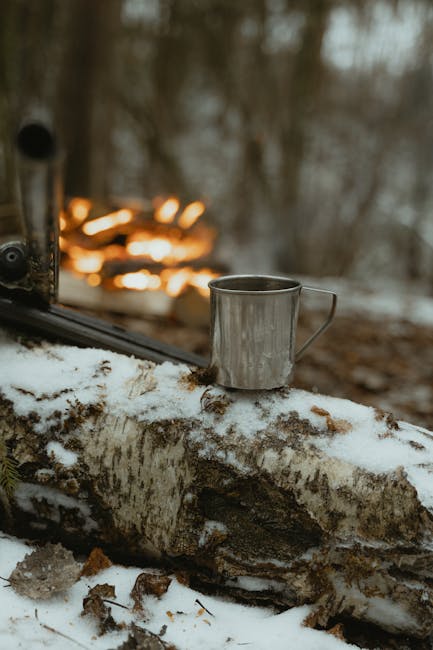
Wild Harvest: The Art of Sustainable Food Foraging
The practice of foraging wild food has seen a resurgence in recent years, growing in popularity among food enthusiasts, chefs, and environmentalists alike. This ancient practice, which involves gathering plant, fungi, and other edibles from their natural, wild environment, offers a way to connect with nature while accessing fresh, local, and sustainable food sources. Here, we dive into the essential perspectives of sustainable food foraging, providing insight into why it matters, how to do it responsibly, and the myriad benefits it offers.
Understanding Sustainable Food Foraging
Sustainable food foraging refers to the practice of collecting wild food resources in a way that ensures they will be available for future generations. This involves harvesting techniques that minimize harm to the environment and contribute to the habitat’s longevity. The practice not only supports the local ecosystem but also offers foragers access to nutritious, chemical-free foods that often contain higher levels of vitamins and minerals than their cultivated counterparts.
The Benefits of Wild Harvesting
The act of foraging can be deeply gratifying. It encourages physical activity and outdoor interaction, which are excellent for mental health and wellbeing. Moreover, wild food resources generally require no artificial irrigation, fertilizers, or pesticides, making them an eco-friendly alternative to store-bought produce.
Economically, foraging can reduce grocery bills, providing substantial savings with the bounty nature offers for free. Socially, it can foster community connections, as foragers often share information, food, and recipes, strengthening community bonds and cultural heritage related to native foods and traditional gathering practices.
Best Practices for Sustainable Foraging
To ensure that foraging remains a beneficial practice for both the environment and the community, it is critical to follow certain guidelines:
- Harvest Responsibly: Take only what you need, and be mindful not to overharvest. It’s crucial to allow plants to regenerate and continue their lifecycle.
- Identify Correctly: Misidentification can lead to using plants that are not safe for consumption. Learning from experienced foragers or using reliable resources can mitigate this risk.
- Respect Local Regulations: Always abide by local laws regarding foraging. Some areas may have restrictions to protect their ecosystems.
- Be Considerate of Wildlife: Foraging should not disrupt local wildlife or their habitats. Be aware of nesting areas and breeding seasons to avoid disturbances.
Foraging Tips for Beginners
For those new to foraging, it’s essential to start slowly and with easily recognizable species. Here are a few tips to get started:
- Start with Simple Species: Easy-to-identify plants like dandelions, wild garlic, and nettles are ideal for beginners.
- Use Trusted Guides and Apps: Invest in a good foraging guide or app to help correctly identify plants and learn about their uses and any possible look-alikes to avoid.
- Join Foraging Workshops: Many communities offer workshops that provide hands-on learning opportunities under the guidance of experienced foragers.
Seasonal Foraging and Its Delights
Different seasons offer different foraging opportunities. Spring is abundant with early greens and flowers, summer provides berries and fruits, while fall is perfect for nuts and mushrooms. Understanding what each season offers can enrich the foraging experience and provide a variety of dietary benefits throughout the year.
Frequently Asked Questions About Foraging
Is foraging legal?
Foraging legality depends on local laws, which can vary widely. Always check and follow local regulations before foraging.
Can foraging really help the environment?
When done sustainably, foraging can help to maintain biological diversity and contribute to the health of ecosystems. It lessens the demand for commercially harvested products, thereby reducing overall environmental impact.
How do I know if a plant is safe to eat?
Proper identification is key to ensuring safety in foraging. Use reliable resources, and when in doubt, consult with an expert or avoid consumption.
Conclusion
Wild harvest and sustainable food foraging offer an enriching way to connect with nature, improve dietary quality, and reduce environmental impact. By understanding the appropriate techniques and seasons for foraging, even beginners can enjoy the abundant benefits this practice has to offer. As we reconnect with the ecosystems around us, it becomes evident that foraging is more than just a trend; it’s a sustainable approach to consuming what nature provides, fostering respect and conservation for our natural world.
Join the growing community of foragers to not only enhance your culinary experiences but also contribute to eco-friendly practices that benefit our planet.





