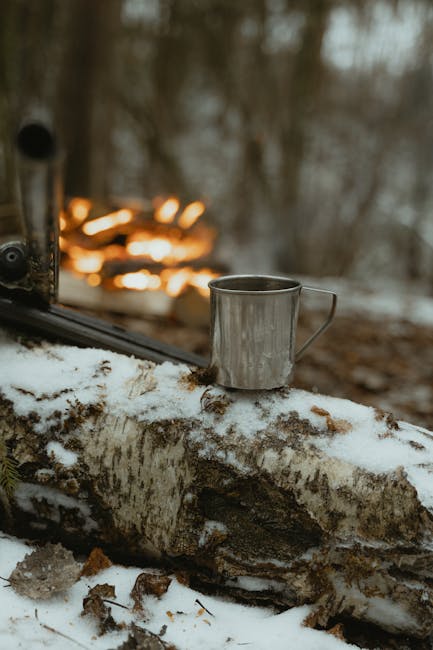
Mastering the Wilderness: Essential Survival Techniques for Harish Environments
The call of the wild can be irresistible. However, venturing into harsh environments unprepared can lead to dire consequences. Mastering essential survival techniques is crucial for anyone looking to explore remote wilderness areas or conquer adverse outdoor conditions. This comprehensive guide covers critical skills, answers common questions, and offers advice on how to survive in some of the world’s most challenging natural settings.
Understanding Harsh Wilderness Environments
Preparation is Key: Before embarking on any wilderness adventure, understanding the specific challenges of your chosen environment is essential. Desert landscapes, Arctic tundra, dense forests, and high-altitude mountains each present unique obstacles. Familiarization with local wildlife, weather patterns, and potential hazards can significantly increase your survival chances.
Essential Survival Skills
Surviving in harsh conditions requires a blend of knowledge, preparation, and adaptability. Here are some fundamental survival skills that every adventurer should master:
1. Building Shelter
Protection from the elements is vital. Learning how to build a shelter with natural materials can save your life. In forests, a simple lean-to made of branches and leaves can offer refuge, while in snowy areas, constructing a snow cave might be your best bet for warmth and safety.
2. Finding Water
Hydration is a priority in any survival situation. Knowing how to locate and purify water sources is crucial. Techniques vary from environment to environment; for example, collecting morning dew with a cloth can be an effective method in dry areas, while melting snow is a primary water source in polar regions.
3. Making Fire
Fire serves multiple purposes: warmth, cooking, and signaling for help. Master the art of fire-making using a variety of methods, such as flint striking, using a fire plough, or the bow drill method. Always carry a waterproof lighter and matches as backups.
4. Navigation Skills
Getting lost in the wilderness can turn a survival situation into a life-threatening ordeal. Basic navigation skills using a map and compass should be complemented with GPS technology—though remember that electronic devices can fail. Learning to navigate using natural indicators like the sun’s position, stars, and even certain plant species can be invaluable.
5. Signal for Rescue
Knowing how to signal for help can expedite rescue operations. Use mirrors during the day to create flashes of light, create large ground signals in open areas, or use the universal distress signal of three fires or three blasts on a whistle.
Handling Wildlife Encounters
Encountering wildlife is an inevitable aspect of wilderness adventures. Understanding animal behavior and the best practices for dealing with wildlife encounters can prevent turning these meetings into dangerous confrontations. Read up on the wildlife native to the area you are visiting and learn the appropriate actions to take when faced with various creatures.
What to Pack for Survival
Your survival kit should include items tailored to the specific environment. A basic wilderness survival kit may include:
- A high-quality knife
- Water purification tablets or devices
- A portable shelter or emergency blanket
- Fire-starting tools and tinder
- A first aid kit
- A durable compass and detailed maps of the area
- High-calorie, non-perishable food items
Survival Training and Courses
Practical experience is just as important as theoretical knowledge. Consider taking survival training courses that offer hands-on learning experiences. These courses can provide invaluable insights and skills that are difficult to acquire through reading or informal practice alone.
Common Questions About Wilderness Survival
Q: How do you find food in the wilderness?
A: If you are trained and sure about the safety, identify edible plants or learn basic traps and snares to catch small animals and fish. Always prioritize safety and sustainability.
Q: What are the biggest risks in survival scenarios?
A: Hypothermia, dehydration, and injury are some of the most significant risks. Prioritize shelter, water, and first aid to mitigate these risks.
Q: How can I learn these skills safely?
A: Start by taking a course from certified professionals. Practice skills in controlled environments under expert supervision before attempting them in real-world scenarios.
In Conclusion
Surviving in harsh wilderness environments challenges even the most seasoned adventurers. However, by mastering essential survival techniques, preparing adequately, and respecting nature’s power, you can enjoy the wilderness with confidence and safety. Whether you’re trekking through the desert or exploring icy tundras, the right skills and knowledge can make all the difference.
Remember, every wilderness adventure offers a unique experience. Continuously educate yourself, update your skills with new information, and most importantly, never underestimate the unpredictability of nature.