
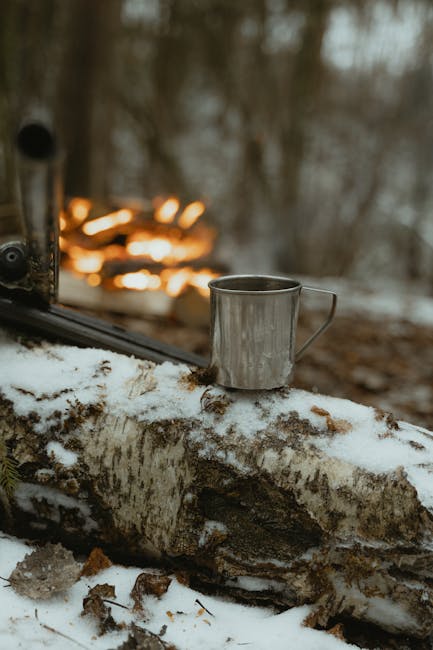
Mastering the Wild: Essential Survival Skills for Thriving in Forests
The call of the forest captivates many adventurers seeking solace and challenge in nature. Yet, before you lace up your boots, it’s crucial to equip yourself with essential forest survival skills. Venturing into the wilderness without knowledge about survival can be dangerous, if not life-threatening. This comprehensive guide is designed to prepare you with vital skills, answering common questions and offering detailed insights for thriving in forest environments.
Understanding Your Environment
The first step to surviving and thriving in the forest begins with understanding your environment. Different forests—from tropical rainforests to temperate deciduous woodlands—host their own specific challenges and resources.
- Flora and Fauna: Recognizing local plant and animal species can provide sustenance and prevent harm. Learn to identify edible plants and those that are hazardous.
- Climate and Weather: Understanding the climate will help you prepare appropriately for weather conditions, whether it’s sudden rainfall or a drop in temperature at night.
Navigating the Wilderness
Getting lost in the woods is a common fear, but proper navigation skills can assure you always find your way.
- Map and Compass: A GPS device is useful, but always carry a traditional map and compass as a fail-safe. Learn to use these tools effectively.
- Natural Navigation: In situations where no tools are available, the sun, stars, and even tree moss growth patterns can help guide your path.
Securing Shelter and Warmth
Securing a safe, warm shelter is one of the top priorities in survival situations. Your shelter protects you from the elements and can prevent hypothermia, a common danger in many forest environments.
- Shelter Types: The type of shelter you build should pertain to the environment. Learn techniques for creating lean-tos, debris huts, and other forms suitable for the forest you are in.
- Insulation and Heat: Optimal insulation is key. Utilize dry leaves, moss, and even the earth itself to retain body heat through the night.
Finding Water and Purification
Next to shelter, finding a reliable water source is your most critical task. Dehydration can debilitate an adventurer in mere hours depending on the conditions.
- Sources of Water: Streams, rivers, and morning dew are typical water sources in forests. Always have a means to collect water.
- Purification Methods: Water from natural sources must be purified to avoid illness. Boiling, chemical treatment, and filtration are three effective methods you should know.
Foraging for Food
Foraging for food involves more than identifying edible berries. Protein, fats, and carbohydrates are needed to fully sustain energy levels over time.
- Safe Foraging: Educate yourself about the regional foods in the forest where you are traveling. Many plants look alike but can have drastically different effects on the body.
- Trapping and Hunting: Learning basic snares and hunting skills can secure meat which provides a high-calorie diet, essential in long-term survival scenarios.
Fire-Making Techniques
Fire serves multiple survival purposes: warmth, cooking, and signaling for help. Mastering fire-making is a fundamental survival skill.
- Friction-Based Fire Making: Understand techniques like the bow drill or hand drill, challenging but useful in emergency situations.
- Modern Fire Starters: Carrying a lighter or waterproof matches can simplify the process. Familiarize yourself with several methods to ensure preparedness.
Handling Medical Concerns
Basic first aid knowledge is life-saving when medical help is hours or days away. From treating cuts to recognizing signs of serious health issues, preparation is key.
- First Aid Kit: Always pack a well-stocked first aid kit tailored to your excursion. Include items such as bandages, antiseptic, and medicines typically required for outdoor adventures.
- Wilderness First Aid: Taking a course in wilderness first aid is profoundly beneficial, especially if you plan frequent trips into the forest.
Survival Mindset and Preparation
The mental aspect of survival cannot be understated. Stress, panic, and fatigue can lead to poor decision-making, complicating survival situations.
- Mental Preparedness: Before you embark, prepare mentally for the challenges ahead. Decision making under pressure can improve with practice and mindset training.
- Emergency Plan: Always inform someone of your travel plans and expected return time. Carrying a personal locator beacon (PLB) or a satellite phone can be crucial in emergencies.
Conclusion
Mastering essential survival skills enhances not only your safety but also your enjoyment of forest adventures. By preparing adequately, understanding your environment, and maintaining a calm, resourceful demeanor, you can thrive in the wild and turn what could be a survival situation into a rewarding experience. Remember, the best survival tool is knowledge, and your best defense is preparation.
With these tips and techniques, you’re well-equipped to handle the beauty and challenges of the forest, ensuring a safe and exhilarating adventure every time you step into the wild.





