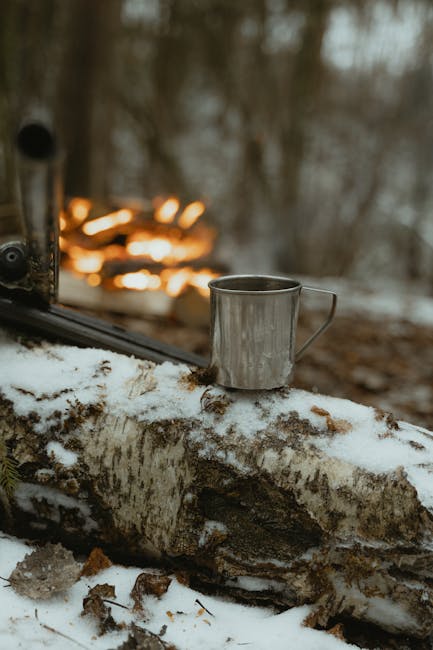
Mastering the Wilderness: Essential Survival Skills for Every Adventurer
Embarking on an adventure into the wild can be exhilarating, but it’s imperative to prepare yourself with essential survival skills to ensure safety. Whether you’re planning to hike through dense forests, scale mountains, or explore remote trails, mastering a few key skills can make all the difference. This article explores must-have survival skills, supports you in planning your next wilderness adventure, and ensures you return home safely.
H1: Understanding the Basics of Wilderness Survival
H2: Importance of Preparation
Before you venture into the wilderness, it’s crucial to understand the importance of preparation. Studying the area, weather conditions, and wildlife risks are fundamental steps to ensure you’re well-prepared. Gathering accurate maps, checking weather forecasts, and informing someone about your itinerary can prevent many unexpected situations.
H2: Essential Survival Gear
Packing the right gear is central to wilderness survival. A basic survival kit includes items like a knife, water purification tablets, a fire starter, a compass, and a whistle. Additionally, always carry a first aid kit tailored to your and your group’s specific needs, and don’t forget essentials like extra food and water, a sturdy tent, and appropriate clothing for varying weather conditions.
H1: Key Survival Skills Every Adventurer Should Know
H2: Building a Shelter
One of the first skills to master is building a shelter. A good shelter protects from elements and can significantly increase your chances of survival in harsh conditions. Learning different techniques to create shelters using natural materials or with the aid of a tarp can be a lifesaver.
H2: Finding and Purifying Water
Water is your most crucial resource in the wilderness. Knowing how to locate sources of water and purify it is essential. Streams, rivers, and lakes are common natural water sources. Techniques for purifying include boiling, chemical treatment, and using a portable filtration system. Always ensure the safety of your water supply to avoid waterborne illnesses.
H2: Fire Making Skills
The ability to start a fire is invaluable for warmth, cooking, and even signaling for help. Master different fire-making methods such as using a flint and steel, battery with steel wool, or even the traditional friction-based methods like the bow drill. Also, understanding fire safety in the wilderness to prevent wildfires is equally important.
H2: Navigation Techniques
In an era dominated by GPS technology, traditional navigation skills are often overlooked. However, learning to navigate using a map and compass can save your life if technology fails. Familiarize yourself with using landmarks, reading topography, and the basics of celestial navigation.
H2: Signaling for Help
In an emergency, knowing how to signal for help is crucial. Your survival kit should include items like mirrors, whistles, and flares. Additionally, learning to make large visible signs on the ground that could be seen from the air is a vital skill.
H1: Foraging and Trapping
H2: Safe Foraging Techniques
Understand what plants are safe to eat and which ones to avoid. A strong knowledge of local flora will not only serve your dietary needs but also medicinal purposes. Familiarize yourself with the universal edibility test to determine the safety of an unknown plant.
H2: Basics of Trapping
While not everyone’s first choice, knowing how to trap small game can be crucial for food supply in prolonged survival situations. Learning simple snare and deadfall traps can provide necessary nourishment.
H1: Staying Healthy and Safe
H2: First Aid Skills
Adequate first aid knowledge is vital. Learn how to treat common injuries like cuts, burns, and fractures. Understand symptoms of and treatments for hypothermia, heatstroke, and dehydration.
H2: Risks and How to Mitigate Them
Be aware of potential risks such as wild animals, poisonous plants, and extreme weather conditions. Knowing precautions and mitigation strategies can reduce the likelihood of accidents.
H1: Conclusion – Continuing Education and Practice
Survival in the wilderness demands respect, preparation, and continuous education. Regularly practicing these skills can prepare you adequately for your adventures. Additionally, consider taking survival courses and joining guided expeditions to further enhance your understanding and readiness.
Mastering these essential wilderness survival skills does more than preparing you for the unforeseen; it enhances your overall outdoor experience and aligns you more closely with nature’s rhythms. Always remember: the more prepared you are, the safer and more enjoyable your adventure will be!