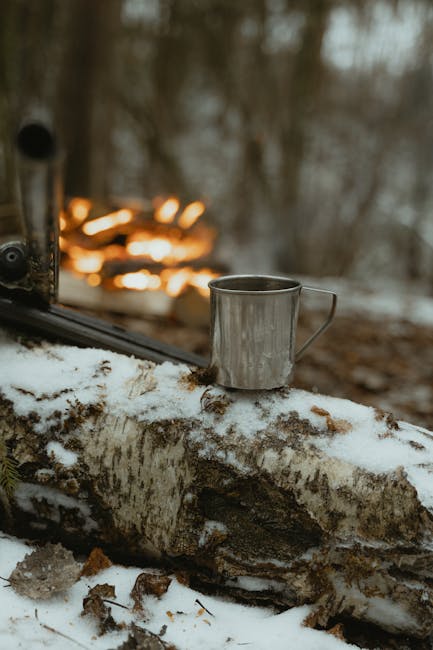
Essentials of Fire Building: Mastering the Flame
When it comes to survival skills, fire building tops the list. Whether you’re camping, hiking in remote areas, or preparing for emergency situations, understanding how to efficiently and safely build a fire is crucial. This comprehensive guide will provide insights into the essentials of fire building, ensuring you master the flame every time.
Understanding the Basics of Fire Building
Before diving into the technicalities, it’s important to understand the three fundamental components needed to make a fire: heat, fuel, and oxygen. These elements form the ‘fire triangle,’ and a successful fire requires a balance of all three. Grasping this concept is the first step in becoming proficient in building and maintaining a fire.
Choosing the Right Materials
Selecting appropriate materials is critical for building a successful fire. You’ll need tinder, kindling, and fuel wood:
- Tinder: Easily ignitable materials like dry leaves, grass, or small twigs. Commercial fire starters or cotton balls dipped in petroleum jelly can also work effectively.
- Kindling: Small sticks, generally a bit larger than tinder, crucial for escalating the fire without smothering the flames.
- Fuel Wood: Larger pieces of wood that will keep the fire burning longer once it is established.
A key point in selecting these materials is ensuring they are dry. Moisture is an enemy of fire and can hinder your efforts.
Setting Up Your Fire Site
Choosing a good location for your fire is as important as the materials you use. Look for a spot that’s sheltered from the wind yet well-ventilated. Safety is paramount, so make sure the area around the fire site is cleared of any flammable materials. A bare patch of earth is ideal.
Once you have your site, construct a fire pit. This can be as simple as a ring of rocks, which will help contain the fire and reduce the risk of it spreading.
Fire Laying Techniques
How you arrange your tinder, kindling, and fuel wood is crucial for the longevity and strength of your fire. Here are a few effective methods:
- The Teepee: Start by placing your tinder in the center and then stack kindling around it in the shape of a cone. As the kindling starts to catch fire, the structure will collapse inward, feeding the flames.
- The Log Cabin: Begin with a teepee, then stack larger pieces of wood over it, crisscrossing them to resemble a cabin. This setup facilitates good airflow and is excellent for cooking.
Lighting Your Fire
With your structure in place, it’s time to light your fire. Position your match or lighter so that the flame is directly under the tinder. The heat will rise, catching the kindling and eventually the larger wood. If using a fire striker or flint, direct the sparks to the tinder for ignition.
Maintaining and Extinguishing Your Fire
Once lit, maintain your fire by gradually adding larger pieces of wood. Ensure each piece catches before adding the next to keep the fire from smothering. Keep a close watch on the fire at all times, and regulate its size according to your needs.
To extinguish your fire, sprinkle water over the embers until the hissing stops. Stir the ashes to make sure all embers are wet. It is essential to ensure the fire is completely out before leaving the site to prevent wildfires.
Common Questions About Fire Building
What is the Best Wood for Building a Fire?
Hardwoods like oak and maple are excellent for a long-lasting fire, while softer woods like pine are good for quick heat but burn out faster.
How Do I Build a Fire in Wet Conditions?
Look for dry wood under the bark of trees or carry waterproof tinder like specially treated fire sticks. Building a platform from green logs can elevate your fire above wet ground.
Is Fire Building Safe?
Fire building is safe if you adhere strictly to safety guidelines. Always monitor the fire, keep it manageable, and ensure it’s completely extinguished before leaving.
Conclusion
Mastering the art of fire building is not only a fulfilling aspect of outdoor adventures but a vital survival skill. By following the guidelines provided—from selecting proper materials and setting up your fire site to choosing the appropriate fire structure and maintaining your fire—you’ll ensure a safe, enjoyable, and successful fire-building experience. Remember, practice makes perfect, so don’t hesitate to refine your fire-building skills on your next outdoor trip.
With this knowledge, you’re well-prepared to ‘master the flame’ under any circumstances, ensuring warmth, light, and security in the great outdoors.