Mastering Wilderness Survival: Essential Techniques for Thriving in the Forest
Whether you’re an avid outdoorsman or someone embarking on their first wilderness adventure, knowing how to survive in a forest environment is crucial. This comprehensive guide explores essential survival techniques that will help you thrive in the wilderness. By mastering these skills, you’ll enhance your ability to handle unexpected situations, ensuring a safe and enjoyable experience in nature.
Understanding the Basics: Preparation and Mindset
Survival in the wilderness starts long before you enter the forest. Preparation and having the right mindset can significantly impact your ability to handle potential challenges.
Pre-Trip Planning
Effective pre-trip planning involves researching the area you plan to explore, understanding the local wildlife, and being aware of the weather conditions you might face. Additionally, it’s essential to inform someone about your travel itinerary and expected return time.
Packing Essentials
When packing for a wilderness trip, focus on the essentials:
- Navigation tools: Map, compass, and GPS device.
- Protection: Appropriate clothing, sunscreen, and insect repellent.
- Sustenance: Adequate food and water supplies, and a means to purify water.
- Emergency kit: First aid supplies, knife, fire-starting materials, and a whistle.
- Shelter: Lightweight tent or tarp and sleeping bag.
Mental Preparedness
Maintaining a calm and positive mindset is perhaps one of the most crucial survival skills. Panic and fear can impair judgment, so it’s important to stay calm and think clearly about your next steps.
Key Survival Skills
Once you’re in the wilderness, specific survival skills become vital for safety and efficiency.
Finding and Purifying Water
Water is a necessity for survival. Locate water sources such as streams, rivers, or lakes. Always purify water using boiling, chemical tablets, or a filtration system to avoid pathogens that could cause illness.
Building a Shelter
Protection from the elements is critical, particularly in harsh weather conditions. Use natural materials such as branches, leaves, or even snow, to construct a shelter that retains heat and shields you from wind and rain.
Creating Fire
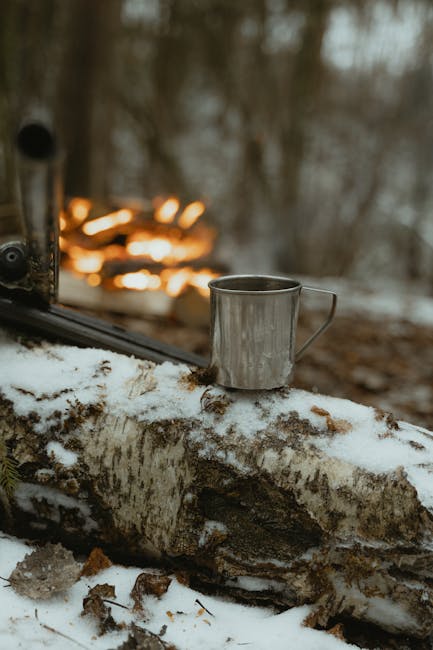
Fire serves multiple purposes: warmth, cooking, and signaling for help. Understand basic fire-making techniques, focusing on building a tinder bundle and maintaining a fire with available resources. Always practice safety and ensure your fire is fully extinguished when you leave or sleep.
Acquiring Food
Understanding basic foraging and hunting skills can be advantageous. Familiarize yourself with edible plants in the area and basic trapping or fishing techniques. Always ensure any plants you consume are safe to eat to avoid poisoning.
Navigational Expertise
Losing your way in the forest can be dangerous. Master the use of a compass and map, understanding landmarks, and reading the terrain to maintain your bearings. Modern GPS devices can fail, so traditional navigation skills are invaluable.
Handling Wildlife Encounters
Encountering wildlife is a possibility in the wilderness. Know how to behave around various animals to avoid confrontations. Research the types of wildlife you might encounter and understand the best practices for handling these situations safely.
First Aid and Emergency Procedures
Knowing basic first aid can be life-saving. Familiarize yourself with treatments for common injuries such as cuts, burns, bites, or sprains. Learn how to signal for help using a whistle, mirror, or even making large symbols on the ground that are visible from the air.
Leaving No Trace
Preserving the natural beauty of the wilderness is everyone’s responsibility. Practice ‘Leave No Trace’ principles:
- Plan ahead and prepare.
- Travel and camp on durable surfaces.
- Dispose of waste properly.
- Leave what you find.
- Minimize campfire impacts.
- Respect wildlife.
- Be considerate of other visitors.
Conclusion
Mastering these essential wilderness survival techniques will not only ensure your safety but also enhance your outdoor experience. Prepare adequately, respect nature, and always stay alert and informed. With the right skills and knowledge, you can thrive in the forest and enjoy the solitude and beauty it offers.
Remember, the key to successful wilderness survival lies in preparation, a calm mindset, and continuous learning. Whether you’re out for a casual hike or preparing for an extended stay in the forest, these skills are invaluable. Happy adventuring!