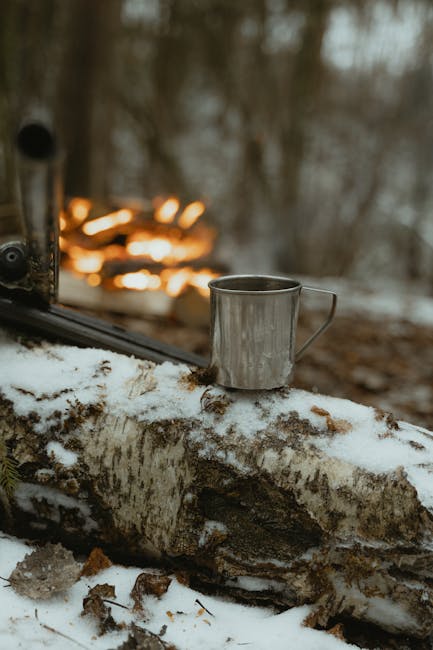
Ultimate Survival Gear Guide: Everything You Need to Know
Survival situations can arise anywhere, from remote wilderness outings to urban disasters. Being prepared with the right gear can make the difference between thriving and merely surviving. Our Ultimate Survival Gear Guide provides a comprehensive look at essential tools and knowledge, ensuring you’re well-equipped for any scenario.
Table of Contents
- Introduction to Survival Preparedness
- Essential Survival Gear
- Survival Kits: Building and Buying
- Clothing and Footwear for Survival
- Survival Skills You Can’t Live Without
- Maintaining Your Gear
- Conclusion: Staying Prepared
1. Introduction to Survival Preparedness
Survival preparedness involves more than having a stockpile of items; it’s also about developing skill sets and mental readiness to handle unpredictable circumstances. Effective preparation integrates knowledge of the environment, personal capabilities, and having the right survival tools at your disposal.
2. Essential Survival Gear
To face the wilderness or an emergency with confidence, you should include the following items in your kit:
2.1 Knives and Tools
A reliable knife is indispensable. It helps in constructing shelters, preparing food, self-defense, and more. Multi-tools are also crucial for their versatility.
2.2 Water Filtration Systems
Clean water is vital. A portable water filter or purification tablets can be life-saving, allowing you to safely drink from natural sources.
2.3 Fire Starters
Being able to start a fire is crucial for warmth, cooking, and signaling. Always pack waterproof matches, lighters, and fire starters.
2.4 Shelter and Bedding
A lightweight tent, tarp, or emergency bivy can protect you from the elements. Don’t overlook a good sleeping bag suited for the environment’s temperature.
2.5 Navigation Tools
In the age of smartphones, traditional navigation tools like a compass and maps are often overlooked but are essential when electronics fail.
2.6 First Aid Supplies
A well-stocked first aid kit can treat injuries or illnesses in critical moments. Customize your kit to include prescription medications and any other specific needs.
3. Survival Kits: Building and Buying
You can either assemble your own survival kit or purchase a pre-made one. Building your own allows for customization but buying a ready-made kit is a quick and often reliable option. Ensure that your kit is easy to carry and waterproof.
4. Clothing and Footwear for Survival
Your clothing is your first layer of protection against the environment. Opt for moisture-wicking fabrics and layers that can be easily adjusted. Durable, water-resistant footwear with good traction will help you navigate various terrains safely.
5. Survival Skills You Can’t Live Without
Possessing survival gear is only part of the equation. Developing the following skills is equally important:
5.1 Basic First Aid
Knowing how to administer basic first aid can save lives. Consider taking a course to familiarize yourself with more advanced medical procedures.
5.2 How to Navigate Without Technology
Practice using a map and compass. Understand how to read the natural environment for directions.
5.3 Fire-Making
Learn various methods of fire-making, including using flint and steel, batteries, and makeshift bows.
5.4 Shelter Building
Practice constructing stable shelters using natural materials alongside your gear.
5.5 Signaling for Help
Know how to signal for help using visual signals, noise, or by using technology like a whistle or an emergency radio.
6. Maintaining Your Gear
Regularly inspect and maintain your gear to ensure everything is operational when needed. Replace expired items such as food, water, and medical supplies. Store items in a cool, dry place out of direct sunlight.
7. Conclusion: Staying Prepared
Survival preparedness is continuous. Regularly review and update your plans and supplies. Practice your skills in realistic settings and stay informed of new survival strategies and gear advancements. Preparation today ensures resilience tomorrow.
Frequently Asked Questions
What are the top three items to have in any survival situation?
- A high-quality knife
- Water purification method
- Fire-making tools
How often should I update my survival kit?
Review and update your kit at least once a year or as your personal and local risk factors change.
Is it better to buy pre-made survival kits or build my own?
Both options have merits. Pre-made kits save time and ensure basic necessities are covered, while DIY kits allow for customization based on specific needs and skill levels.
With this Ultimate Survival Gear Guide, you’re now better equipped to handle emergencies with confidence. Remember, the best gear in the world won’t replace the need for robust knowledge and practice. Equip, prepare, and stay safe!