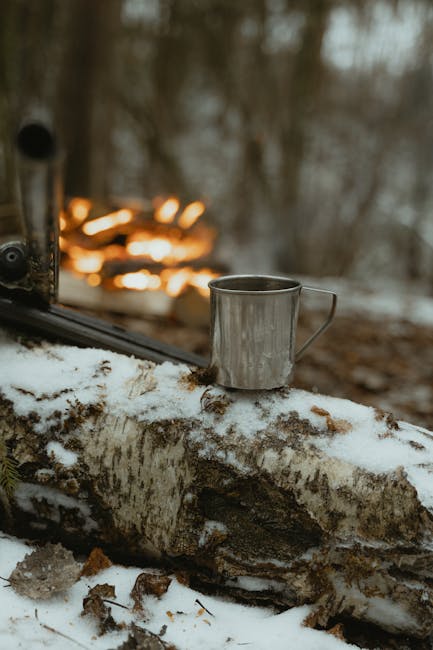
Mastering the Flame: Essential Techniques for Building the Perfect Fire
Building a fire may seem straightforward, but mastering the art can greatly enhance any camping trip, backyard gathering, or cozy indoor evening. Whether you’re an avid camper, a survival enthusiast, or simply someone who enjoys the crackle of a firepit, understanding the subtleties can make a big difference. Here, we explore essential techniques for constructing a reliable and robust fire, answering common questions and sharing tips for ensuring your fire-building skills are top-notch.
Understanding the Basics of Fire Building
Before venturing into the woods or striking a match in your fireplace, it’s crucial to grasp the basic elements that contribute to a good fire: heat, fuel, and oxygen. These components form the fire triangle, and each plays a vital role in fire creation and maintenance.
1. Choosing the Right Location
Safety first! Always select a safe, controlled environment for your fire. Outdoors, use established fire rings or pits. Ensure the area is clear of overhanging branches and that the ground around the pit is cleared of debris and flammable materials.
2. Preparing Your Fire Bed
Whether you’re building a fire on the ground or in a fire pit, creating a solid base is essential. If you’re in a natural setting, clear a patch of ground down to the soil, removing any grass, leaves, or twigs that could catch fire sporadically. In a firepit, ensure it’s free of ash and any dampness that could impede your fire.
Selecting Your Materials
Prospective fire builders must understand the three types of wood needed to build a fire: tinder, kindling, and fuel wood.
1. Tinder
Tinder is your fire starter. Typically, this includes small, dry materials that catch fire easily but burn very quickly. Good tinder includes dry leaves, pine needles, dry grass, or wood shavings. Commercial fire starters or homemade fire starters, like dryer lint or cotton balls dipped in vaseline, also work well.
2. Kindling
Kindling consists of small sticks, typically thinner than your thumb, that catch fire easily but burn longer than tinder, helping to ignite larger logs. Ensure your kindling is dry, as moisture can hinder your progress.
3. Fuel Wood
Fuel wood keeps your fire going long after the flame is established. Choose larger pieces of wood that are dry and seasoned. Green wood or wood with too much moisture won’t burn as well and will produce excessive smoke.
Building Techniques
1. The Teepee Fire Lay
This structure involves placing your tinder bundle in the center of your fire bed and then stacking kindling around it in a cone shape, resembling a teepee. This setup allows air to circulate at the base, feeding the fire oxygen, and helping it burn efficiently.
2. The Log Cabin Fire Lay
Begin with a small teepee of tinder and kindling, then frame it by stacking larger logs in a crisscross pattern around the teepee. This method is excellent for cooking since it creates a stable, burnable structure that produces a bed of evenly distributed coals.
Lighting Your Fire
With your structure set, it’s time to light your fire. Aim your match or lighter towards the base of your tinder, allowing the small flames to catch and grow upwards. As the fire burns, add more kindling and gradually larger pieces of fuel wood to maintain and grow the fire.
Maintaining and Extending Fire Duration
To keep your fire alive and well, regular maintenance is key. Keep a steady supply of wood nearby to add as needed. As your fire matures, you’ll need to add larger pieces less frequently but always ensure there’s enough kindling to keep the flame going if the fire starts to die down.
Fire Safety Tips
Fire safety cannot be overstressed. Always have a method of extinguishing the fire quickly (water bucket, sand, or fire extinguisher) and never leave your fire unattended. When finished, ensure all embers are fully extinguished to prevent a wildfire risk.
Conclusion
Building the perfect fire is both an art and a science. By understanding the key components and techniques, you can ensure your next fire is not only successful but also safe and enjoyable. Whether you’re illuminating a campsite or warming a home, the mastery of these skills will provide comfort and joy to your outdoor and indoor adventures.
In mastering these techniques, you enhance not only your safety but also your enjoyment of natural spaces and gatherings around a warm, inviting flame.