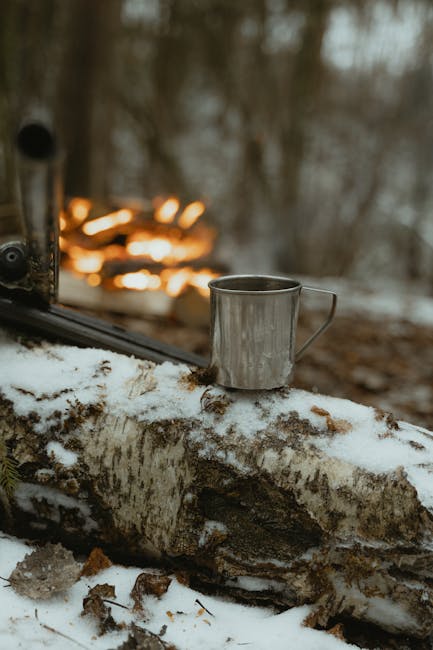
Essential Skills for Mastering Wilderness Survival
Adventuring into the great outdoors can be thrilling, yet daunting. The ability to survive in the wilderness is not only empowering but can also be life-saving. This comprehensive guide delves into essential skills you need to master wilderness survival, ensuring you’re well-prepared for any adventure. From building shelters to finding food, this article covers all you need to know to stay safe and self-sufficient in the wild.
Understanding Basic Wilderness Survival Principles
Before diving into specific skills, it’s critical to grasp a few fundamental wilderness survival principles. These include the ‘Rule of Threes’, which states that you can survive three minutes without air, three hours without shelter in extreme conditions, three days without water, and three weeks without food. Prioritizing based on these needs is crucial for survival.
Importance of Mental Preparedness
Mental preparedness is often overlooked in survival situations. Staying calm and thinking clearly can make the difference between life and death. Practicing stress management techniques and being mentally ready to face challenges is as important as any physical skill.
Building a Suitable Shelter
Your shelter is your first line of defense against the elements, making it a top priority in any survival situation. The type of shelter you construct will depend on the environment and materials available.
Choosing the Right Location
Location is crucial when building a shelter. Avoid areas prone to natural hazards like flooding or rockfalls. Always think about the proximity to a water source and whether the area provides adequate protection against elements like wind and rain.
Shelter Types and Construction
There are several types of shelters to consider such as a lean-to, a debris hut, or even a snow cave, depending on the environment. Each requires different materials and techniques, from using large branches and foliage to utilizing snow’s insulating properties.
Securing Clean Drinking Water
Water is your second priority. Knowing how to locate and purify water is essential. Contaminated water can cause severe illnesses, complicating survival efforts.
Water Sources and Collection Techniques
Streams, rivers, and lakes are obvious water sources, but you can also collect dew, rain, or even create a solar still. Each source and method requires specific skills to ensure the water is safe to drink.
Methods of Water Purification
Boiling is one of the most effective methods to purify water. However, chemical purification tablets, UV light devices, and filtration systems are also viable options that are often easier to manage while on the move.
Finding and Preparing Food
While you can survive longer without food than water, nourishment is crucial for maintaining energy and health in survival situations.
Edible Plants and Insects
Understanding which plants and insects are edible is vital. A basic guidebook on local flora and fauna or a survival app can be lifesaving. However, when in doubt, it’s safer to avoid consumption.
Hunting and Trapping
For longer survival scenarios, knowing how to hunt and trap small animals could become necessary. Simple traps like snares can be effective. Always consider the legal and ethical aspects of hunting, especially in a survival context.
Navigating the Wilderness
Getting lost can lead to dire situations in unknown terrains. Understanding basic navigation without relying solely on GPS devices is crucial.
Using a Compass and Map
Traditional navigation tools like a compass and map are reliable and do not require power. Familiarizing yourself with these tools before your adventure is wise.
Natural Navigation Cues
If you’re without tools, the environment itself offers navigation help. The position of the sun, stars, and even certain plant growth patterns can guide you toward civilization.
Signaling for Help
If all else fails, knowing how to signal for help can rescue you from perilous situations. From making noise to visual signals, ensuring rescuers can locate you is crucial.
Creating Effective Signals
Using mirrors, fires, or creating symbols on open ground can attract attention. Three blasts of a whistle, for example, is an internationally recognized distress signal.
Conclusion: Preparing for the Unexpected
Mastering these essential wilderness survival skills can greatly enhance your safety and efficiency in handling unexpected outdoor emergencies. While the hope is to never face severe survival situations, being prepared is your best strategy. Remember, the key to wilderness survival lies not just in knowledge but in practiced application and mental readiness. Adventure responsibly, respect nature, and equip yourself with these survival essentials to enjoy and safely return from your outdoor explorations.