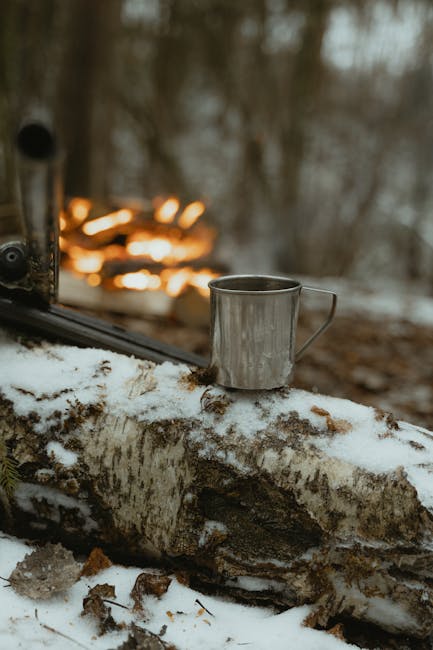
Mastering the Elements: Secrets of Wilderness Survival
Heading out into the wilderness offers a unique adventure but also poses significant challenges and potential dangers. Mastering survival skills is essential for anyone venturing into the wild. This comprehensive guide delves into the secrets of wilderness survival, providing practical tips, addressing common questions, and empowering adventure enthusiasts and casual hikers alike to safely navigate natural environments.
Understanding Basic Survival Priorities
Survival in the wild revolves around managing fundamental needs: shelter, water, food, and warmth. Each of these elements supports life, and knowing how to secure each one using the resources provided by nature is crucial.
Building Effective Shelters
Adequate shelter is your first line of defense against the elements. A good shelter insulates you from extreme temperatures and protects you from wildlife. When building a shelter, look for natural formations such as caves or overhanging cliffs. In absence of these, tools like branches, leaves, and even snow can be used to construct a protective space. It’s vital to ensure that the shelter is stable and insulated enough to keep out cold and wet conditions.
Finding and Purifying Water
Water is arguably the most essential survival need. A human can only survive about three days without hydration. Streams, rivers, and lakes are usual natural water sources. However, always purify found water to avoid contaminants. Boiling is the most effective method, but solar water disinfection (SODIS) and chemical purification with iodine or chlorine tablets are also viable options.
Navigating Wilderness Nutrition
Food is your body’s fuel, and in survival scenarios, efficient energy use becomes paramount. Understanding what nature can offer in terms of food sources, and how you can access them, could be life-saving.
Edible Plants and Insects
Foraging is an integral part of wilderness survival. Many environments are rich in edible plants, but correct identification is crucial to avoid poisonous species. Additionally, insects can provide necessary proteins. Common edible insects include crickets, grasshoppers, and certain types of worms. Learning about the local flora and fauna before your trip can significantly enhance your chances of securing nourishment.
Hunting and Fishing Techniques
If you’re in a wilderness area for an extended period, you might need to rely on hunting or fishing. Simple tools like spears or makeshift bows can be crafted from natural materials. Understanding animal tracks and behaviors can increase your success rate. For fishing, improvised hooks and fishing lines can be fashioned from items you might carry or find in the wild.
Mastering Fire Creation
Fire serves multiple survival purposes: it cooks food, purifies water, signals for help, and provides warmth. Mastering the art of fire-making is fundamental in any survival situation.
Traditional and Modern Techniques
The ability to start a fire using traditional methods like the bow drill or flint and steel is invaluable, especially if you lose your modern tools. Always carry a lighter or waterproof matches as a backup. Also, keep natural tinder such as dried moss or birch bark handy in your survival kit.
Navigating and Rescue Techniques
Understanding your location and how to navigate back to safety is crucial. Rescue might not always be immediate, so signaling and navigation skills can be lifesavers.
Signaling for Help
Should you become lost or injured, knowing how to signal for help becomes critical. Use mirrors, whistles, or fires to create signals that are visible or audible from a distance. Strategic placement of these signals, considering terrain and likely search paths, increases the chances of rescue.
Navigation Basics
Even basic navigation skills can prevent you from getting lost. Familiarize yourself with using a compass and reading maps. In the absence of these tools, the sun’s position, star patterns, and even the growth patterns of moss on trees can guide you.
Preparing for Wilderness Adventures
Preparation is key to ensuring safety and enjoyment in the wilderness. Always check weather forecasts and local guidelines. Gear up appropriately, focusing on durable clothing, reliable navigation tools, and a well-stocked first aid kit. Additionally, informing someone about your itinerary and expected return provides a safety net.
Embarking on outdoor adventures with the right skills and preparations enables you to enjoy the vast beauty and thrill of nature, while staying safe and prepared. Practice these skills regularly, stay informed, and respect the environment to become a proficient wilderness explorer.
Embrace the wilderness with respect and preparedness, and it will open up its vast and wild treasures for you to safely explore and enjoy.