Mastering the Wild: Essential Survival Skills for the Adventurous Soul
Embarking on an adventure into the great outdoors offers a refreshing escape from the hustle and bustle of daily life. However, the wild is as unpredictable as it is beautiful, making survival skills essential for any outdoor enthusiast. Whether you’re planning a hiking trip in the mountains or a kayaking journey down a remote river, understanding and mastering certain survival techniques can significantly enhance your safety and enjoyment. This article delves into the critical survival skills needed for the adventurous soul venturing into the wilderness.
Understanding Basic Wilderness Survival Skills
Before you pack your backpack and set out on your adventure, it’s crucial to familiarize yourself with the basic survival skills. These fundamental techniques are the cornerstone of safe wilderness experiences, helping you to prepare adequately and respond effectively to emergency situations.
1. Building a Shelter
Knowing how to build a shelter is essential for protection against the elements and can be a lifesaver during unexpected weather changes. The type of shelter you build will depend on the environment and the materials available. A lean-to shelter using branches and leaves can offer quick protection in forested areas, while a snow cave might be your best bet in snowy landscapes.
2. Finding and Purifying Water
Water is a critical survival need, and finding a reliable water source is a top priority. Streams, rivers, and lakes are common sources, but knowing how to purify water is just as important as locating it. Boiling water is a reliable method, but carrying iodine tablets or a portable water filter can provide additional safety measures.
3. Creating Fire
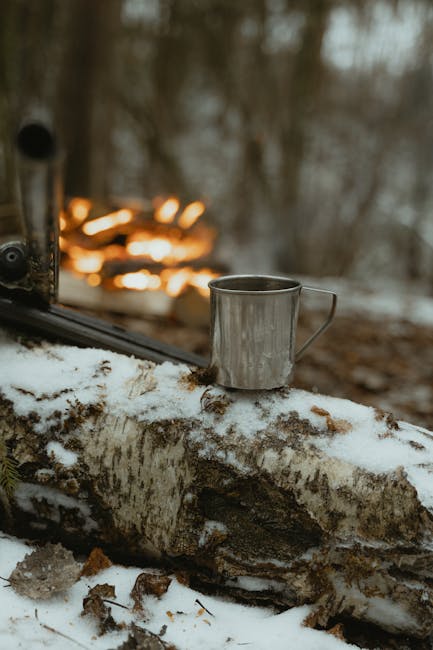
Fire serves multiple survival purposes: it provides warmth, the means to cook food, a way to purify water, and can also be a signal for help. Mastering the art of fire starting using flint or friction-based methods can make a significant difference in survival scenarios.
Navigating and Trail Skills
Getting lost is a common theme in most outdoor mishaps. Proficiency in navigation is indispensable, especially in areas where GPS signals might be unreliable.
1. Map and Compass Navigation
Understanding how to read topographic maps and use a compass are invaluable skills. Even in the age of GPS technology, electronic devices can fail, so traditional navigation skills are still very relevant.
2. Reading the Natural Environment
Aside from map and compass skills, the ability to read the natural environment can help keep you oriented. Observing the position of the sun, movement of water, or behavior of wildlife can provide clues to direction and time.
Handling Wildlife Encounters
Encounters with wildlife can be one of the most unpredictable aspects of venturing into the wilderness. Understanding and anticipating the behavior of local wildlife can enhance your safety.
1. Knowledge of Local Fauna
Familiarize yourself with the wildlife native to the area you’re exploring. Knowing which animals might pose a threat and understanding their behavior during different seasons can influence your safety measures and travel plans.
2. Preventative Measures
Precautions like storing food in bear-proof containers, keeping a clean campsite, and making noise while hiking can prevent unwanted wildlife encounters.
First Aid and Emergency Protocols
No matter how well you prepare, injuries or illnesses can happen. A basic understanding of first aid is crucial for addressing minor injuries or stabilizing a situation until professional help is available.
1. Wilderness First Aid Certification
Consider obtaining a wilderness first aid certification, which covers how to handle common injuries and emergencies far from advanced medical facilities. This training can be crucial for anyone exploring remote areas.
2. Emergency Signaling
Know the universal distress signals and have a means to signal for help, whether it’s a whistle, mirror, or even a makeshift flag. These tools should always be part of your survival kit.
Conclusion
Mastering these essential survival skills can transform your wilderness experiences from risky endeavors to exciting adventures with confidence. Whether it’s building a shelter, navigating unmarked trails, or managing wildlife encounters, each skill enhances your ability to face the challenges of the wild. So, equip yourself with knowledge and training, practice these skills in safe environments, and continue refining your abilities. The wild awaits, ready to test the limits of your adventurous soul, but now you’re better prepared to meet its challenges head-on.
Remember, the key to enjoying the wild is respect: for nature, for wildlife, and for the fundamental skills that ensure your safe return from every adventure.