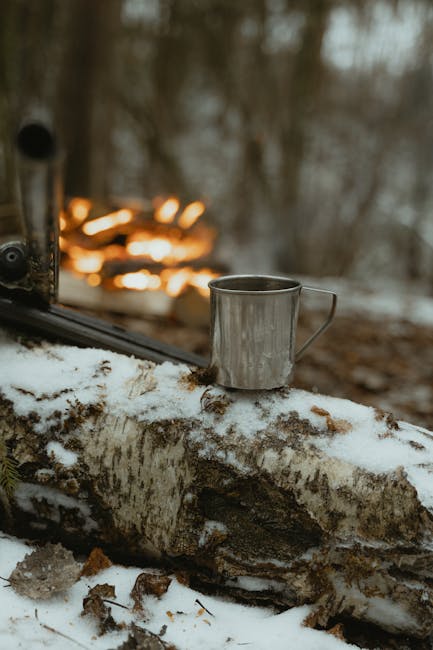
Mastering the Flames: Essential Techniques for Basic Fire Building
Whether it’s for a cozy campfire under the stars or a necessary skill for outdoor survival, mastering the basic techniques of fire building is a crucial skill. This comprehensive guide offers step-by-step insights into the art and science of creating a reliable fire, emphasizing safety, efficiency, and environmental consideration.
Understanding Fire Fundamentals
Before diving into the techniques, it’s important to understand the three essential elements that a fire needs to start: heat, fuel, and oxygen. This is often referred to as the fire triangle. A successful fire builder will know how to manipulate these elements to start and maintain a fire efficiently.
Selecting the Right Location
Choosing an optimal location for your fire is the first critical step. Look for a spot that is protected from wind, away from overhead tree branches, and has a non-flammable ground surface. Ideally, use existing fire pits or rings if they’re available to minimize environmental impact.
Preparing Your Fire Site
Once you have your location:
- Clear a space of about 3 to 5 feet in diameter, removing any flammable material to prevent unintended spread.
- Create a fire bed using mineral soil, which you can usually find under the top layer of organic soil.
- Surround your fire bed with a circle of stones (if available) to help contain the fire.
Gathering Materials
Fire building materials can be categorized into three main types: tinder, kindling, and fuel wood.
Tinder
Tinder is your fire starter. These are small, dry materials that can easily catch fire with a spark. Good tinder includes dry leaves, grass, or small twigs. Commercial fire starters or newspaper also work well.
Kindling
Kindling consists of small sticks, ideally a little thicker than a pencil. These pieces catch fire from the tinder and burn long enough to light larger logs.
Fuel Wood
Fuel wood keeps your fire going. Start with smaller pieces and add larger logs as your fire grows. Ensure all wood is dry and dead; green wood won’t burn as well and produces excessive smoke.
Laying Your Fire
There are several methods to lay your fire, each depending on condition and purpose. Some of the most popular include the teepee, lean-to, and log cabin.
Teepee Fire Lay
The teepee build involves arranging the kindling sticks in a cone shape over your tinder. As the kindling catches fire from the flames below, add larger logs to maintain the structure, allowing for air circulation that fuels the fire.
Lean-to Fire Lay
Start by sticking a long piece of kindling into the ground at an angle over your tinder. Lean smaller pieces of kindling against this “lean-to stick”. This method is excellent for windy conditions as it protects the tinder from being blown out.
Log Cabin Fire Lay
Begin with a small teepee lay, then stack larger logs around it in a square, log cabin style. This lay is stable and ideal for cooking as it creates a bed of coals and maintains good airflow.
Lighting the Fire
When everything is set up, light your tinder using a match or lighter. Depending on your tinder choice, you may need to experiment with different lighting angles or shielding methods to catch the flame. Practice patience and softly blow near the base to provide additional oxygen, which can help the fire catch.
Maintaining and Extinguishing Your Fire
Maintain your fire by adding more wood as needed, being careful not to smother the flames or disrupt the setup. As your enjoyment of the fire concludes, safety in extinguishing the fire is just as important as starting it.
Allow the wood to burn to ash if possible, then pour water over the fire, stir the ashes, and apply more water. Repeat until all materials are cool to the touch. Lastly, check the environment to ensure no embers continue to smolder.
Conclusion
Mastering the skill of fire building is rewarding and practical. With these steps, you’ll enhance your abilities to create a fire that is both safe and effective, perfect for any wilderness adventure or survival situation. Remember, always follow local regulations regarding fire, ensuring you leave no trace in natural surroundings.