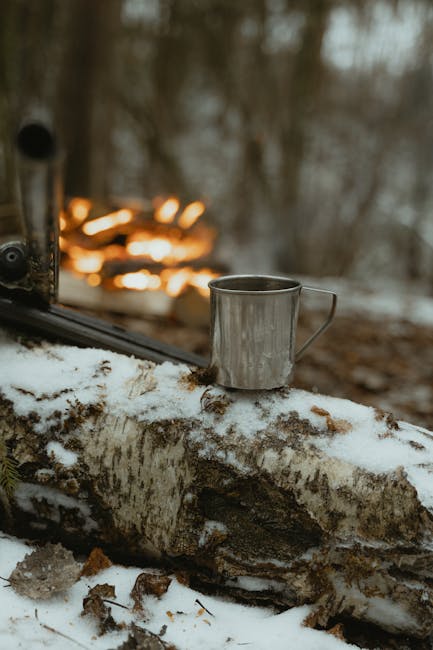
Essential Skills for Thriving in the Wild
Venturing into the wilderness can be an exhilarating experience, inviting both seasoned adventurers and novices alike. However, thriving in wild environments requires more than just enthusiasm. Whether you’re planning a short hiking trip or a prolonged stay in nature, certain essential skills are crucial for safety, survival, and enjoying the great outdoors. This article dives into these vital abilities, ensuring you’re well-prepared for your next wild adventure.
H1: Understanding Basic Survival Principles
H2: The Rule of Threes
One of the fundamental frameworks of survival is the Rule of Threes. In extreme conditions, this rule gives you a basic guideline on priorities:
- You can survive three minutes without air.
- You can survive three hours without shelter in harsh environments.
- You can survive three days without water.
- You can survive three weeks without food.
Understanding these principles helps in prioritizing tasks when you are in a survival scenario.
H2: Mental Preparedness
Survival is as much a mental challenge as a physical one. Stress management and the ability to stay calm under pressure are skills that can save your life. Training your mind to handle unexpected situations, fear, and anxiety is as crucial as mastering physical skills.
H1: Key Wilderness Skills Everyone Should Know
H2: Building Shelters
Knowing how to build a shelter is essential for protection against the elements. Master the skill of creating both temporary and long-term shelters using natural materials like branches, leaves, or snow. This skill ensures you stay warm and dry, which is vital for survival.
H2: Finding and Purifying Water
Water is life, especially in the wild. Learning how to locate water sources and understanding methods to purify water, such as boiling, using chemical purifiers, or solar disinfection, are indispensable skills. Remember, water from rivers or streams should always be treated before consumption to avoid waterborne diseases.
H2: Fire Starting
The ability to start a fire is invaluable. Fire provides warmth, the ability to cook food, boil water, and can also serve as a rescue signal. Familiarize yourself with various techniques of fire starting, from matches and lighters to more primitive methods like bow drills or flint and steel.
H2: Navigation Skills
Getting lost in the wilderness can be dangerous. Learn to navigate using a map and compass. Additionally, understanding how to use environmental clues like the position of the sun, stars, and natural landmarks can guide you back to safety.
H2: Foraging for Food
Identifying edible plants and insects can make the difference between hunger and sustenance. Knowledge of local wildlife and plant life is crucial, as is understanding how to set snares or fish if resources permit.
H1: Dealing with Wildlife
H2: Understanding Animal Behavior
Knowing how to behave around wildlife is crucial. Research the types of animals you might encounter and learn how to react in each situation, whether it’s making yourself appear larger to deter a mountain lion, or storing food properly to avoid attracting bears.
H2: Safety Precautions
Preventative measures are the best way to handle wildlife encounters. This includes keeping a clean camp, properly storing food, and knowing the importance of making noise while trekking to alert animals to your presence.
H1: Ready Your Gear
H2: Essential Gear to Carry
Equip yourself with essential gear that will aid survival. This includes:
- A reliable knife
- A multi-tool
- Water purification systems
- A durable map and compass
- Adequate clothing for weather changes
- Emergency shelter materials like a tent or tarp
- First aid supplies
H2: Pack Smart
Packing smart means balancing between preparedness and overpacking. Take only what’s necessary but ensure you have the essentials to handle most survival situations.
H1: Learning and Practicing These Skills
H2: Take Survival Courses
Consider taking survival courses offered by experts. These courses provide hands-on experience and knowledge, from basic survival skills to advanced bushcraft, under the guidance of seasoned professionals.
H2: Practice Regularly
Regular practice of these skills enhances your ability to perform them under pressure. Whether it’s setting up tents in your backyard or practicing fire-starting techniques during camping trips, consistent practice builds competence and confidence.
H1: Conclusion
Thriving in the wild demands respect for nature, preparation, and a particular set of skills. By understanding fundamental survival principles and mastering essential skills like shelter building, water purification, and navigation, you equip yourself to face the challenges of the wilderness. Remember, the wild is unpredictable, but with the right skills and mindset, you can navigate its challenges successfully. Prepare diligently, practice regularly, and embrace the adventure of wilderness survival.