Mastering the Wild: Essential Survival Techniques for Harsh Environments
Exploring rugged terrains and confronting the unbridled forces of nature can be exhilarating. However, these adventures require more than just courage and enthusiasm. Knowledge about essential survival techniques is crucial for anyone venturing into harsh environments. Whether it’s braving the icy drafts of alpine mountains or enduring the scorching heat of deserts, being prepared can mean the difference between life and death.
Understanding Survival Priorities in Extreme Conditions
In any survival situation, certain priorities must be addressed: shelter, water, fire, and food. The importance of each can vary depending on the environment but disregarding any can have fatal consequences.
Shelter: Your First Line of Defense
In cold climates, shelter is your top priority to avoid hypothermia. Techniques like building a snow cave or erecting a lean-to with branches can save your life. In hot environments, meanwhile, your shelter needs to provide shade and maximize airflow, potentially using natural materials like branches or digging a body-length depression in the earth to stay cool.
Water: The Essence of Survival
Locating a water source is critical. In dry areas, knowledge about water conservation techniques and methods to extract water from vegetation or condense it from the air can prove invaluable. Always purify any found water to avoid pathogens, using boiling, chemical tablets, or a portable purifier.
Fire: The Multifunctional Tool
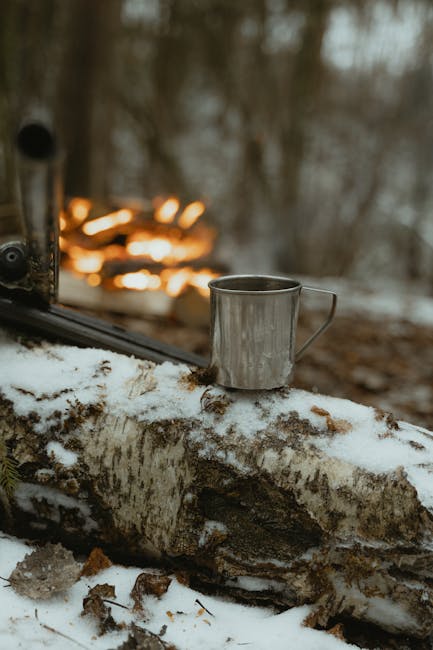
Fire serves as a source of warmth, a means to cook food, a method to purify water, and a way to signal for help. Mastery over fire-building, from selecting the right materials to understanding different fire layouts for weather conditions, is a fundamental survival skill.
Food: Energy for Endurance
While you can survive weeks without food, obtaining energy-rich nutrients from the environment can significantly boost your morale and physical condition. Learn to identify edible plants, and understand the basics of trapping and fishing with minimal tools.
Navigation: Keeping Your Bearings
Getting lost can turn a challenging situation into a lethal one. Basic navigation skills involving a compass and map, or using natural indicators like the sun’s position or the moss on trees, are essential to guide you to safety. Modern technology such as GPS devices or satellite phones can enhance security but should not completely replace traditional methods.
First Aid: Managing Medical Emergencies
Knowing how to handle medical emergencies with a well-stocked first aid kit is crucial. Basic skills like treating a wound, managing frostbite or heatstroke, and performing CPR can keep you or a companion stable until help arrives.
Preparing for the Unexpected: Adaptive Strategies and Mental Resilience
The unpredictable nature of harsh environments demands flexibility and resilience. Techniques covering how to stay calm under pressure, maintain morale, and adapt to the surroundings are equally vital as any physical survival skills.
FAQs about Survival in Harsh Environments
What are the best techniques to purify water?
Boiling, chemical treatment, and filtration are effective methods. Each has its own pros and cons depending on the situation.
How do I signal for help?
Three of anything (blasts of a whistle, fires, or piles of rocks in a triangle shape) are internationally recognized distress signals.
What should I include in my survival kit?
Key items include a knife, means to start a fire, a water purification method, shelter material, a first aid kit, a compass, and a map.
Conclusion: Mastering Survival Techniques
Mastering survival techniques requires practice, presence of mind, and preparation. By educating yourself and preparing for the worst, your adventures in wild and harsh environments can be thrilling rather than perilous. Remember, the wild does not forgive ignorance, so be wise, be wary, and be prepared.