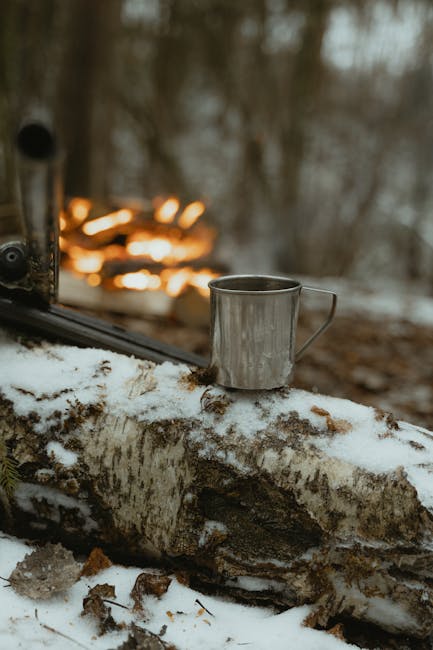
Essentials of Fire Craft: Techniques for Efficient Fire Building
The art of fire building is one of the most ancient and essential outdoor survival skills. Mastering this art can be crucial when camping, during outdoor adventures, or in emergency situations. In this comprehensive article, we’ll explore the foundational knowledge and techniques needed to build a fire efficiently, discuss common challenges, and provide solutions to ensure you can start and maintain a fire under various conditions.
Understanding the Basics of Fire Building
Before diving into the specifics of fire building, it’s essential to understand the three basic components required for a fire: heat, fuel, and oxygen. These elements form the “fire triangle,” and effectively managing all three is crucial for successful firecraft.
1. Fuel: This is what your fire consumes to maintain itself. Fuels can range from small twigs (often referred to as tinder) to larger logs.
2. Oxygen: Fire needs oxygen from the air to sustain itself. Ensuring proper airflow in your fire setup is crucial.
3. Heat: The initial heat source can be anything from a match to a spark from a flint and steel.
Selecting the Right Materials
Choosing the right materials is fundamental in firecraft. Your choice of tinder, kindling, and firewood can significantly affect how quickly and efficiently your fire starts and maintains itself.
Tinder
Tinder is the fine, easily combustible material that catches fire from a spark or small flame. Good tinder materials include dry grass, leaves, pine needles, or commercial fire starters. The key is dryness and a large surface area relative to volume which helps it catch fire quickly.
Kindling
Once your tinder is lit, kindling is the next step. These are small sticks and branches that catch fire from your tinder. Kindling must also be dry and is ideally thumb-sized in diameter.
Firewood
After your kindling, you’ll add larger pieces of wood, which will be the main fuel source for your fire. Choose dry wood when possible, and consider wood types—hardwoods like oak burn longer than softwoods like pine but are harder to ignite.
Constructing Your Fire
How you build your fire structure can influence your success. Here are several effective fire layouts:
1. Teepee Fire Lay
This structure is formed by arranging the kindling sticks into a cone shape over the tinder, allowing airflow while concentrating the heat. It’s ideal for cooking and general heat.
2. Log Cabin Fire Lay
A log cabin lay involves stacking logs in an alternating fashion around a central core of tinder and kindling. This setup is great for a prolonged fire that requires less maintenance.
3. Lean-to Fire Lay
Place a large log downwind and lean smaller pieces of kindling against it over your pile of tinder. This method is excellent for windy conditions and focuses heat in a specific direction.
Maintaining and Extinguishing Your Fire
Maintaining your fire requires adding larger pieces of wood as your initial fuels burn down, controlling the spread, and managing the heat output. Always monitor your fire, keeping it under control and making sure it is completely extinguished before leaving the site. Safely extinguishing a fire involves dousing it with water, stirring the ashes, and checking for remaining embers.
Fire Safety Tips
Fire safety is paramount. Always clear an area around your fire site of any loose debris that could catch fire. Avoid building fires beneath overhanging branches, and always have water or a fire extinguisher nearby in case the fire begins to spread uncontrollably.
Common Challenges and Solutions
Building fires outdoors comes with its set of challenges, often weather-related. Here’s how you can manage:
Wet Conditions
Use waterproof matches or lighters and carry dry tinder in sealed plastic bags. Look for dead branches still attached to trees as these are usually drier.
High Winds
Build your fire in a sheltered area or create a windbreak using natural materials or your backpack.
Limited Fuel Sources
When fuel is scarce, focus on conserving heat and maintaining a smaller, more controlled fire that fulfills your immediate needs.
Conclusion
The ability to efficiently start and maintain a fire is a skill that has helped humans survive and thrive through ages. By understanding the essentials covered in this article—from selecting proper materials to choosing the right fire structure—you’ll be equipped to handle various outdoor scenarios with confidence. Remember, practice is key to mastering fire craft, so take every opportunity to hone these vital skills.
With knowledge, preparation, and respect for nature’s power, anyone can master the art of fire building, enhancing both their camping experiences and their outdoor survival skills.