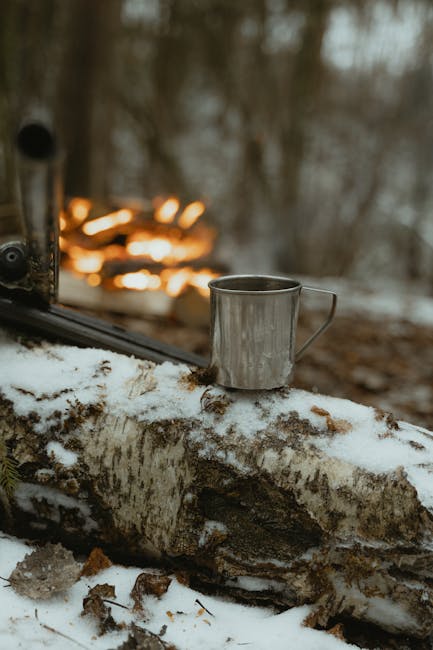
Mastering the Wild: Essential Survival Techniques
Stepping into the wilderness can be a grand adventure, but it also poses significant challenges and dangers. Whether you’re planning a casual hike or embarking on a full-scale bushcraft expedition, knowing key survival techniques can be life-saving. This article will guide you through essential survival skills, helping you prepare to face the unpredictable nature of the wild efficiently.
Understanding Basic Survival Priorities
Before delving into complex survival strategies, it’s crucial to understand the basic survival priorities: shelter, water, fire, and food.
Building an Effective Shelter
Shelter is your first line of defense against the elements, making it a top priority. The type of shelter you build will depend on the environment and available materials. In forested areas, a lean-to shelter made from branches and leaves can offer protection from wind and rain. In colder environments, an insulated snow cave might be your best bet. Learn various shelter-building techniques to adapt to any situation.
Securing Clean Water
Water is life. In survival situations, finding a source of clean water is crucial. Always carry a portable water filter or purification tablets. Learn how to collect rainwater or create a solar still if sources are contaminated or not obvious. The ability to identify and utilize these resources can mean the difference between life and death.
Mastering Fire-Making Techniques
Fire serves multiple purposes: warmth, cooking, and signaling for help. Master various fire-making techniques, such as using a flint and steel, bow drill, or simply a lighter or matches kept in a waterproof container. Understanding tinder and kindling, and how to build and maintain a fire, are also essential skills.
Finding and Identifying Edible Food
Knowing how to find and prepare food in the wild is a valuable skill. Familiarize yourself with local flora and fauna to understand what’s edible and what’s not. Learning how to set snares and fish can secure a protein source, vital for energy and health in long-term survival scenarios.
Navigating Through the Wilderness
Getting lost without a map and compass can be a frightening experience, and effective navigation is key to wilderness survival. Use natural markers and the position of the sun or stars to maintain your bearings. Modern technology like GPS devices or solar-powered chargers can be helpful, but always prepare for the possibility of their failure.
First Aid and Self-Care in the Wild
Accidents happen, and medical help is not readily available in the wilderness. Carrying a well-equipped first aid kit and knowing how to use it is essential. Learn basic first aid techniques like treating wounds, sprains, or fractures. Understanding how to manage potential complications from the environment, like hypothermia or heatstroke, can also be vital.
Survival Gear Essentials
While skills are paramount, having the right gear enhances your survival ability. Essential items include:
- A sturdy knife
- Water purification systems
- Fire-starting tools
- A durable map and compass
- A first aid kit
Always test and familiarize yourself with your equipment before you actually need it.
Practicing Safe and Responsible Wilderness Exploration
Part of survival includes respecting the environment and understanding the risks. Always inform someone of your plans and expected return. Be mindful of wildlife, and know what creatures you might encounter. Lastly, practice the principle of “Leave No Trace,” ensuring that you preserve the beauty and integrity of the wilderness for others.
Frequently Asked Questions About Wilderness Survival
What are the most common mistakes in wilderness survival?
The most common mistakes include not informing someone about your travel plans, overestimating your skills or physical condition, poor preparation and gear management, and lack of navigation skills. Avoid these pitfalls by thorough planning and continuous learning.
How can I improve my survival skills?
Improvement comes with education and practice. Take survival courses, read books, and practice skills like fire-making or shelter building in controlled settings.
Are survival skills only useful in extreme conditions?
While survival skills are often associated with extreme conditions, they are also beneficial for everyday emergencies such as natural disasters or getting lost during a casual hike. The confidence gained from knowing you can handle tough situations is invaluable.
Conclusion
Mastering essential survival techniques involves a balance of knowledge, practical skills, and proper gear. By preparing yourself for various scenarios and respecting the natural world, you enhance your safety and ensure a more rewarding experience in the wilderness. Remember, the wild is unpredictable, but with the right preparation, you can navigate it with confidence and peace of mind.
Ultimately, survival in the wild begins long before you step foot into it. A well-equipped mind and backpack are your best tools to face whatever the great outdoors throws your way.