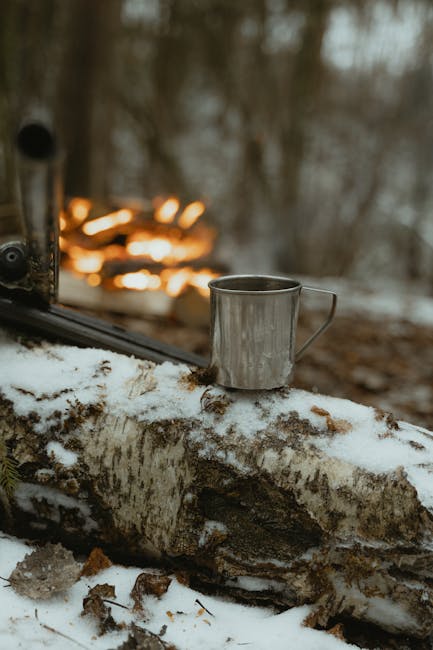
Mastering the Flame: Essentials of Basic Fire Building
Whether you’re a seasoned camper, a survival enthusiast, or just someone who enjoys the occasional backyard bonfire, knowing how to build a reliable fire is a fundamental skill. Not only is fire building a cornerstone of successful outdoor adventures, but it is also crucial in emergency situations. This article delves into the essentials of basic fire building, offering tips, tricks, and answering common questions to help you master this vital survival skill.
Understanding Fire Basics
To efficiently build a fire, it’s essential to understand the three components it needs to ignite and sustain: heat, fuel, and oxygen. Each element plays a critical role in fire creation and maintenance. Heat serves as the ignition source, fuel provides the necessary material to keep the fire burning, and oxygen supports the chemical processes that release heat and light from your fire.
Choosing the Right Location
Selecting an appropriate site is the first step in fire building. Look for a spot that’s sheltered from the wind yet well-ventilated. Avoid areas under hanging branches or loose, dry vegetation that could catch fire. Use existing fire rings if available, or clear a space on bare soil to create a new fire bed. It’s important to adhere to local regulations to ensure that your fire-building activities are safe and legal.
Gathering Materials
Gathering the right materials is crucial for building a successful fire. Classify your materials into three categories:
- Tinder: Small, easily ignitable materials such as dry leaves, grass, or commercial fire starters.
- Kindling: Slightly larger materials like twigs and small branches that catch fire from tinder.
- Fuel wood: Larger pieces of wood that will sustain your fire for a longer duration.
Ensure all materials are dry and have been responsibly sourced to avoid damaging the environment.
Laying the Foundation: Fire Structures
There are several methods to lay a fire, each suitable for different situations:
- Tepee: Place kindling around your tinder in a conical shape, leaving some gaps for airflow. This structure is ideal for quick and hot fires.
- Log cabin: Start with a small tepee, and then stack larger logs over it in a square formation. This method is better for a long-lasting, controlled burn.
- Lean-to: Stick a long piece of kindling into the ground at an angle over your tinder. Lean smaller pieces against this stick and the wind for a steady burn.
Igniting Your Fire
Once your structure is set up, use a match or lighter to ignite the tinder. If conditions are wet or windy, you might need a more substantial heat source like a fire starter block or a butane torch. Light the fire from several points to ensure an even burn, and carefully add more kindling as the flame establishes itself.
Maintaining and Controlling Your Fire
Learning to maintain a fire is as crucial as starting one. Regularly add fuel to keep it burning, but avoid overloading, which can smother the flames. Equally, moderate the fire’s size; keep it manageable to ensure it remains under control. Always have a method to extinguish the fire quickly if necessary, such as water or a fire blanket.
Safety Precautions
Fire safety cannot be overstated:
- Always monitor your fire; never leave it unattended.
- Keep a bucket of water, sand, or a fire extinguisher nearby in case you need to put out the fire quickly.
- Respect fire bans and weather advisories that restrict fire due to elevated risk levels.
- Ensure your fire is completely extinguished before leaving the site. Coals should be cool to the touch.
Solving Common Fire Building Issues
Here are solutions to some frequently encountered problems:
- The fire won’t start: Check if your tinder is too damp or if there’s insufficient airflow. Use dry tinder or incorporate more air gaps within your structure.
- The fire keeps going out: This usually means your kindling is too large or damp. Scale down the size, switch to dryer materials, or incrementally transition to larger pieces as the fire grows.
Advanced Tips
For those looking to enhance their fire-building skills, consider learning about different types of wood and their burning properties, experimenting with friction-based fire starting methods like the bow drill, and mastering the art of smokeless fires.
Conclusion
Mastering the art of fire-building is a blend of science, technique, and safety. By understanding the basics, practicing different methods, and always prioritizing safety, you can become proficient at building fires that are both efficient and environmentally conscious. Whether for warmth, cooking, or emergency survival, these fire-building basics will ensure you’re prepared for any situation.