Mastering the Wild: Essential Skills for Survival in Nature
Exploring the great outdoors can be exhilarating and rewarding. Yet, the beauty of nature comes with its challenges. Mastering key survival skills is essential for anyone stepping into the wilderness, whether it’s for a day hike or a prolonged adventure. In this comprehensive guide, we’ll delve into the essential skills needed for survival in nature, and address common questions to help you feel prepared and confident.
Understanding Basic Survival Principles
The backbone of outdoor survival revolves around understanding four basic principles: shelter, water, fire, and food. Each component plays a crucial role in ensuring safety and sustenance, and mastering these can greatly enhance your odds of thriving in the wild.
Constructing a Shelter
First and foremost, establishing a shelter protects you from the elements, be it extreme sun, wind, rain, or cold. The type of shelter you build will depend on the environment and materials available. A well-constructed lean-to or a debris hut can provide excellent refuge. When building a shelter, it’s crucial to keep it small to conserve your body heat.
Finding and Purifying Water
Water is perhaps the most critical survival necessity. An average person can only survive three days without it. To secure water in the wild, familiarize yourself with methods to both find and purify water. Streams, rivers, and dew are common sources. Boiling water is a reliable purification method, but having purification tablets or filters can be life-saving gadgets in your pack.
Creating a Fire
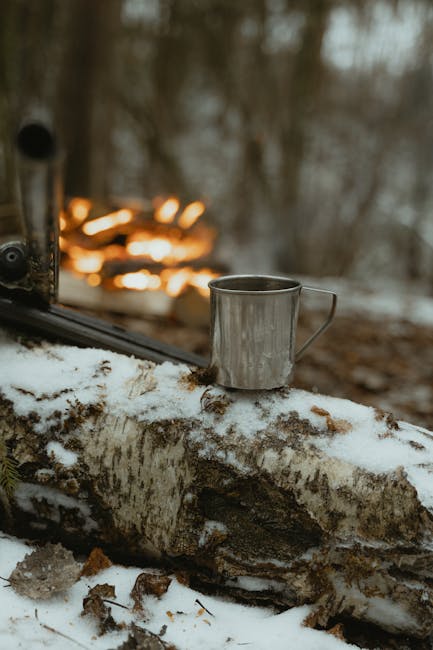
Fire serves multiple survival purposes: warmth, cooking, and signaling for help. Knowledge of fire-building involves not only how to start one but how to maintain it. Keep a flint or matches in a waterproof container as part of your essentials. Also, learn the art of fire starting using natural materials like dried tinder and friction.
Procuring Food
In survival situations, knowing safe, edible plants and basic hunting or fishing techniques can keep you nourished. It’s beneficial to familiarize yourself with the flora and fauna of the area you’ll be exploring. Always carry a small fishing kit and know how to set simple traps or snares.
Navigating and Orientation Skills
Getting lost is a risk in vast wilderness areas. Understanding basic navigation skills can prevent disorientation and help you find your way. Here’s how:
- Using a Compass and Map: Always carry a physical map and compass. GPS devices are helpful but can fail if batteries die or signals are lost.
- Reading the Natural Signs: Learn to read the sun’s position, and use the stars for night navigation. Familiarizing yourself with these natural cues can be invaluable.
First Aid and Emergency Preparedness
Accidents happen, and knowing basic first aid can make a significant difference in survival scenarios. Here are essential components:
- First Aid Kit: Customize your kit to include essentials such as bandages, antibacterial ointment, pain relievers, and specific medication if needed.
- Knowledge of Common Injuries: Educate yourself on treating sprains, fractures, cuts, and burns. A first aid certification is highly recommended for avid adventurers.
Honing Survival Mindset
A calm, composed mindset can be your best survival tool. Panic is a major risk factor that can impair judgment. Practice stress management techniques and prepare mentally for potential scenarios to sustain a positive and proactive attitude in face of hardships.
Preparing and Packing Essentials
Packing appropriately can make or break your survival experience. Here’s what every survival pack should include:
- Layered Clothing: Adapt to changing weather conditions effectively.
- Emergency Signal Tools: Whistles, mirrors, or even brightly colored bandannas can aid rescuers in locating you.
- Knife and Tools: Multi-functional tools and a sturdy knife are indispensable for building, repairing, and protection.
- Waterproof Packs: Keep your items dry and functional even under wet conditions.
Conclusion
Mastering these essential survival skills can turn a potentially perilous situation into a manageable, and even enjoyable, experience. Remember to always let someone know your itinerary and expected return time, and carry a means of communication if possible. With the right knowledge and preparation, you can embrace the challenges of the wild confidently.
By integrating these survival skills into your outdoor adventures, you not only increase your safety but also enhance your connection with nature. So, gear up, stay informed, and enjoy the unmatched beauty of the natural world.