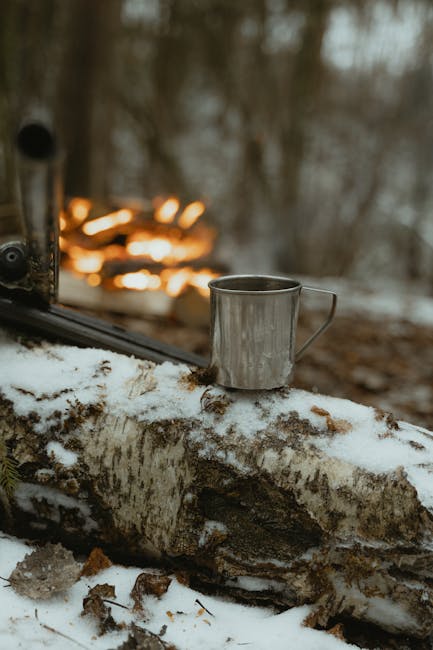
Mastering Wilderness Survival: Essential Skills for the Adventurous Soul
The call of the wild is irresistible to many. The crisp air, the clear streams, and the serene quietude present a potent lure away from the hustle and bustle of modern life. However, the wilderness also poses significant challenges and dangers that require specific skills and knowledge to navigate safely. Mastering wilderness survival is not just about enduring the outdoors; it’s about thriving in it. This guide will explore the essential skills necessary for any adventurer seeking to conquer the wild with confidence and safety.
H2: Preparing for Your Wilderness Adventure
H3: Understanding the Environment
Before you head out, it’s vital to know the kind of environment you’ll be entering. Different ecosystems – from arid deserts to dense forests – demand different skills and preparations. Researching the weather patterns, wildlife, and plant life of the area can dramatically increase your chances of a successful adventure.
H3: Packing Essentials
Every survival expert knows that what you carry can make a significant difference in a survival situation. Key items include:
- Navigation Tools: A compass and map are indispensable, even when GPS is available.
- Water Purification Methods: Whether chemical tablets, a filtration system, or boiling, ensure you have a way to access clean water.
- Shelter Materials: Depending on the environment, this could range from a high-quality tent to materials for a shelter you can build.
- Fire Starting Gear: This includes matches, lighters, and tinder. Fire serves many purposes, from warmth to cooking.
- First-Aid Supplies: Accidents happen, and being prepared is essential.
H2: Fundamental Survival Skills
H3: Finding and Purifying Water
Water is life. The ability to find and purify water is perhaps the single most crucial survival skill. Look for water in valley bottoms, the crevices of rocks, or via morning dew. Always purify water found in the wild unless it’s from a trusted, flowing source.
H3: Building a Shelter
Adequate shelter is necessary to protect against the elements and maintain body heat. Lean-tos, debris huts, and snow caves are types of shelters one can learn to construct depending on the terrain and conditions.
H3: Fire-Making Skills
Knowing how to start and maintain a fire is essential not only for warmth and cooking but also for signaling help. Familiarity with different fire-starting methodologies, even in wet conditions, can save your life.
H3: Food Procurement
Understanding basic foraging, hunting, and fishing techniques is crucial. However, the ability to identify edible from poisonous plants is equally important. In many environments, insects and fish can provide necessary nutrients in a survival scenario.
H2: Navigating the Wilderness
H3: Map Reading and Compass Skills
In an age dominated by GPS devices, the traditional skills of reading a map and using a compass remain invaluable. Electronic devices can fail, making the ability to navigate using the landscape and celestial bodies an unbeatable skill.
H3: Understanding the Terrain
Terrain plays a crucial role in your mobility and the decisions you make in the wild. Learning to read the terrain can prevent accidents and increase your efficiency in moving through difficult areas.
H2: Safety and Risk Management
H3: Dealing with Wildlife
Knowledge of local wildlife behavior is key in avoiding unwanted encounters. Always make noise to alert animals to your presence, store food securely, and know what to do if you come face to face with a wild animal.
H3: Handling Medical Emergencies
Basic first aid knowledge—including how to treat wounds, manage fractures, and address hypothermia or heat exhaustion—can be life-saving when medical help is miles away.
H2: Leaving No Trace
The principles of “Leave No Trace” are fundamental to responsible wilderness adventures. This means preserving the natural environment by minimizing your impact, managing waste properly, and respecting wildlife and fellow explorers.
H2: Conclusion
Mastering wilderness survival skills increases your safety, makes your experiences more enjoyable, and deepens your connection with nature. Whether you’re planning a short hiking trip or a prolonged stay in the wild, these skills are your best tools. Remember, the goal is not just to survive, but to thrive as you explore the vast beauty of the natural world. With preparation, practice, and respect for nature, every journey into the wilderness can be a rewarding adventure.
By arming yourself with the knowledge and skills discussed here, you’re well on your way to becoming a proficient wilderness survivalist. Remember, the wilderness does not adapt to us; we must adapt to it. Every trip is a learning experience, and every challenge is an opportunity to improve your survival skills. Stay curious, stay prepared, and embrace the adventure that awaits.