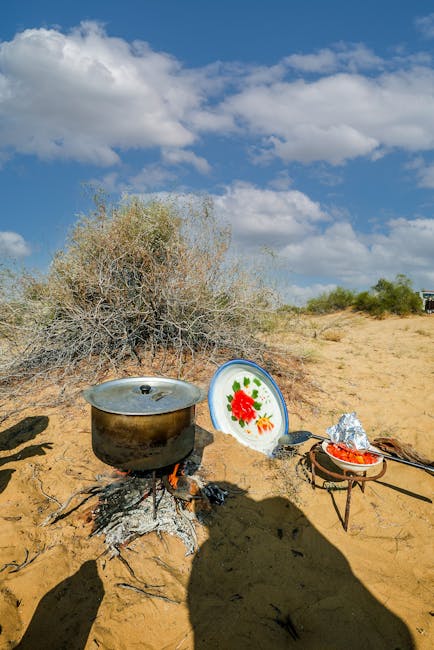
Mastering the Wilderness: Essential Survival Skills for the Great Outdoors
Adventuring into the great outdoors can be thrilling and enriching. However, nature can also be unforgiving and unpredictable. Whether you’re planning a backpacking trip, a camping expedition, or just exploring remote trails, mastering a few essential survival skills is crucial. This guide will equip you with the necessary knowledge and techniques to confidently face the wilderness.
Understanding Basic Wilderness Survival Skills
Survival in the outdoors starts with a basic understanding of wilderness skills. Here are the fundamental areas you need to cover:
1. Building a Shelter
One of the first priorities in a survival situation is building a shelter. A good shelter protects you from adverse weather conditions and can be lifesaving. Natural shelters like caves or overhangs can be convenient, but knowing how to construct a lean-to or a debris hut can be indispensable.
2. Finding Clean Water
Water is critical to survival, but safe sources are not always available. Learning how to locate and purify water is essential. Techniques include boiling, using water purification tablets, or solar stills. Invest in a reliable portable water filter for an added layer of safety.
3. Starting a Fire
Fire serves multiple roles in wilderness survival, from warmth and cooking food to signaling for help. Master the art of fire-making by carrying multiple ignition sources, such as waterproof matches, lighters, and fire steel. Also, familiarize yourself with the fire-building materials that your environment provides.
4. Navigation Skills
Navigational skills increase your chances of finding your way out of a potential survival scenario. Basic orientation skills with a map and compass should be complemented by modern GPS technology wherever possible. Don’t forget the age-old method of using the sun and stars for direction when technology fails.
Acquiring Food in the Wilderness
Food may not be your immediate concern in a short-term survival situation, but knowing how to procure sustenance is a valuable skill:
1. Foraging for Edibles
Understand which plants are edible and how to identify them. Local foraging classes can provide hands-on learning about safe plants.
2. Hunting and Trapping
Become familiar with basic traps and hunting tools such as snares and fishing lines. Remember, the use of these should comply with local wildlife regulations to ensure responsible and sustainable wilderness interaction.
Emergency Preparedness
Preparation is key to handling sudden adverse situations:
1. Understanding First Aid
Basic first aid knowledge can be life-saving, from applying a bandage to managing bites and stings. Always carry a well-stocked first aid kit tailored to your environment.
2. Weather Awareness
Have a clear understanding of the potential weather conditions you might face and plan accordingly. Severe conditions like storms or extreme temperatures require specific preparations and gear.
Common Survival Situations and Questions
Facing challenges in the wilderness is not rare, and being prepared is your best strategy. Here are some common questions and answers about surviving in the wild:
1. What should I do if I get lost?
Stay calm, stay put, and signal for help. Use your whistle, mirror, or any bright object to make yourself more visible from a distance. Conserve your energy and stay hydrated and protected from the elements.
2. How do I signal for help in remote areas?
Besides electronic devices, three fires in a triangle is a universally recognized distress signal. Also, a mirror can be used to flash light towards a potential rescuer during daylight hours.
3. What are the biggest threats in the wilderness?
Dehydration, hypothermia, and getting lost are some of the most critical threats. Each can be mitigated by proper planning, adequate gear, and education.
Enhancing Your Wilderness Experience
While survival skills are essential, remember that the goal of outdoor activities is to enjoy the natural world safely and sustainably. Respect wildlife, stay on designated paths, and carry out everything you bring in, maintaining the pristine nature of the wilderness for future adventurers.
Armed with the right skills and knowledge, your outdoor adventures can be exciting and safe. Master these essential survival skills, prepare adequately, and the wilderness will be yours to enjoy and respect.
Conclusion
Mastering survival skills for the great outdoors not only enhances your safety but also enriches your experience in nature’s arms. Education, preparation, and respect for the environment are key components of a successful and memorable adventure in the wild. Before heading out, ensure you are well-equipped, familiar with the terrain, and capable of facing any challenges with confidence.
By investing time in learning and practicing these essential skills, you’re setting yourself up for safer, more enjoyable wilderness explorations that will leave you with enduring memories and stories to tell.