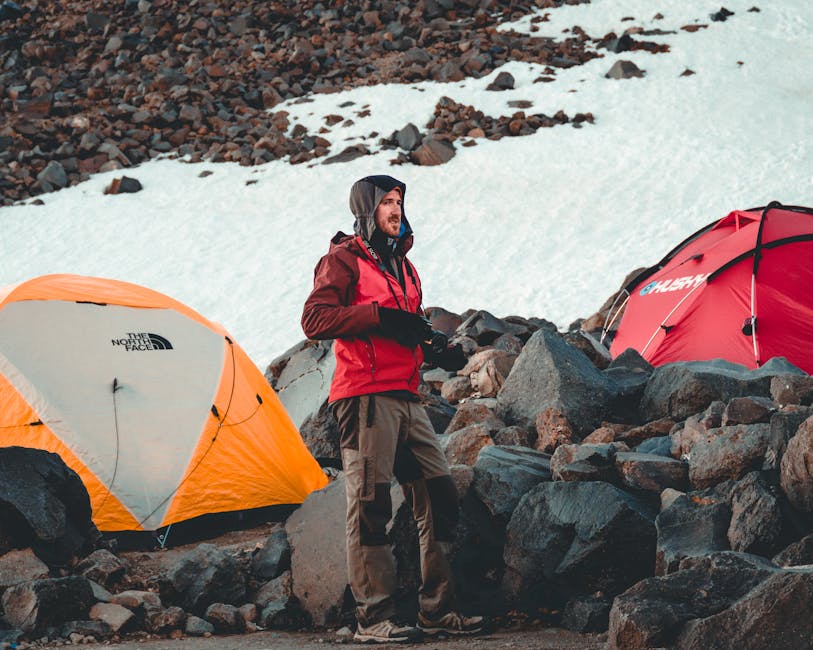
Essential Survival Gear for Extreme Environments
Exploring extreme environments, whether scaling icy mountain peaks, traversing vast deserts, or braving the dense jungle, calls for meticulous preparation and the right survival gear. For adventurers, researchers, or professionals working in these harsh conditions, having the proper equipment is not just about comfort—it’s a matter of survival. This article delves into the essential survival gear needed to tackle some of the planet’s most challenging terrains efficiently and safely.
Understanding Extreme Environments
Extreme environments are characterized by conditions that are hostile to human survival. These include extreme temperatures, unpredictable weather, and potentially dangerous wildlife, all of which pose unique challenges and risks. Preparation for such environments requires not only physical readiness and skills but also a strategic approach in selecting the right gear.
Critical Survival Gear Categories
The gear needed can be categorized into several critical sections: personal protection, navigation, shelter, food and water acquisition, and emergency supplies. Each category plays a pivotal role in survival strategy efficiency.
1. Personal Protection Equipment (PPE)
Clothing: The first line of defense in extreme conditions is clothing. Layering is a key strategy, with a moisture-wicking base layer, an insulating middle layer, and a waterproof outer layer. For cold environments, insulated jackets and thermal underwear are essential, while in hot climates, breathable fabrics that offer UV protection are preferable.
Footwear: In rugged terrains, appropriate footwear is critical. Insulated and waterproof boots are necessary for cold climates, whereas lighter, breathable shoes are suitable for hotter areas. In both scenarios, the durability and grip of the footwear affect mobility and safety.
Sun and Eye Protection: Harsh conditions often mean high exposure to UV rays. A high-SPF sunscreen, UV-protective clothing, and quality sunglasses are necessary to protect skin and eyes from sun damage.
2. Navigation Tools
In the wilderness, getting lost is a significant risk. Essential navigation tools include:
- GPS Device: A reliable GPS device can help pinpoint your location and aid in navigation, especially where traditional maps fall short.
- Compass and Maps: Even with digital tools, traditional compasses and physical maps are indispensable as failsafe options.
- Satellite Messengers: These devices allow for communication even in areas without cell service, providing a crucial connection to the outside world for safety.
3. Shelter and Sleeping Equipment
Proper shelter is vital to protect against environmental elements and to manage body temperature. Survival tents, sleeping bags rated for specific temperature ranges, and insulated sleeping pads are key elements. For rapid shelter, lightweight and easy-to-assemble options are preferable.
4. Food and Water Supplies
Managing nutrition and hydration in extreme environments is challenging but vital:
- Water Purification: Devices such as filters and purification tablets are essential, as carrying large amounts of water may be impractical.
- Portable Cooking Tools: Compact stoves and fuel can make a significant difference, allowing for the boiling of water and cooking of meals, which can be morale-boosting in distressing situations.
- Energy-Rich Foods: High-calorie, lightweight meals like dehydrated meals or energy bars ensure efficient energy replenishment without adding excessive weight.
5. Emergency and First-Aid Supplies
A well-equipped first-aid kit tailored to the specific environment and potential risks is a must-have, along with emergency tools such as:
- Multi-Tool: A robust multi-tool can be crucial for gear repair, food preparation, and first aid.
- Fire Starting Kit: In many extreme conditions, the ability to start a fire for warmth and signaling is crucial.
- Emergency Blankets: Lightweight and compact, these can be lifesavers in situations where hypothermia is a risk.
Frequently Asked Questions About Survival Gear
What is the most important survival item?
While all items are important, the ability to purify water is often considered the most critical since water is essential to survival and not always readily available or safe to consume.
How should I pack my survival gear for quick access?
Organize gear by frequency of use and urgency. Items needed in an emergency, like a first-aid kit and a water filter, should be accessible without needing to unpack everything else.
Can survival gear be reused?
Many survival items are designed for long-term use, but some, like emergency food supplies and first-aid components, need to be periodically replaced to maintain their functionality and effectiveness.
Conclusion
Choosing the right survival gear is crucial when facing extreme environments. Each piece of gear serves a purpose, providing protection, aiding in navigation, or ensuring sustenance. By carefully selecting and organizing your equipment, you enhance your safety and increase your chances of successfully navigating through some of the most challenging conditions on Earth.
Remember, preparation is key, and being equipped with the essential survival gear tailored to the specific needs of your extreme environment venture is the best strategy to ensure a safe and successful outcome.