
Mastering Wilderness Survival: Essential Skills for Thriving in the Forest
Exploring the wilderness can be an incredibly rewarding experience, offering a unique blend of adventure and tranquility. However, the beauty and isolation of wild forests also come with their challenges. Acquiring essential wilderness survival skills is crucial for anyone who wishes to safely enjoy or conquer unpredictable natural environments. This article delves into the key techniques and knowledge needed to thrive in the forest, providing a comprehensive guide for outdoor enthusiasts of all levels.
Understanding Basic Wilderness Survival Principles
Before heading into the wild, it’s essential to grasp some fundamental survival principles. The core survival elements include shelter, water, fire, and food. Efficiently managing these elements can significantly increase your chances of survival in harsh conditions. Awareness of your environment and the ability to remain calm under pressure are also vital skills that aid in making sound decisions during critical moments.
1. Building an Adequate Shelter
Developing the skill to build a shelter is paramount in protecting yourself from the elements and hypothermia. Start by choosing a safe, flat location away from potential hazards. Use materials such as branches, leaves, and moss to create insulation and protection from the wind and rain. Knowing different shelter types, like a lean-to or a debris hut, can be adapted based on the available resources and environmental conditions.
2. Securing Clean Water Sources
Water is essential for survival, making it imperative to locate a sustainable water source promptly. Streams, rivers, and lakes are common water bodies in forests. Purifying water is crucial to avoid waterborne diseases. Simple purification techniques include boiling water or using portable water filters and purification tablets. Collecting rainwater is another viable option.
3. Mastering Fire Creation
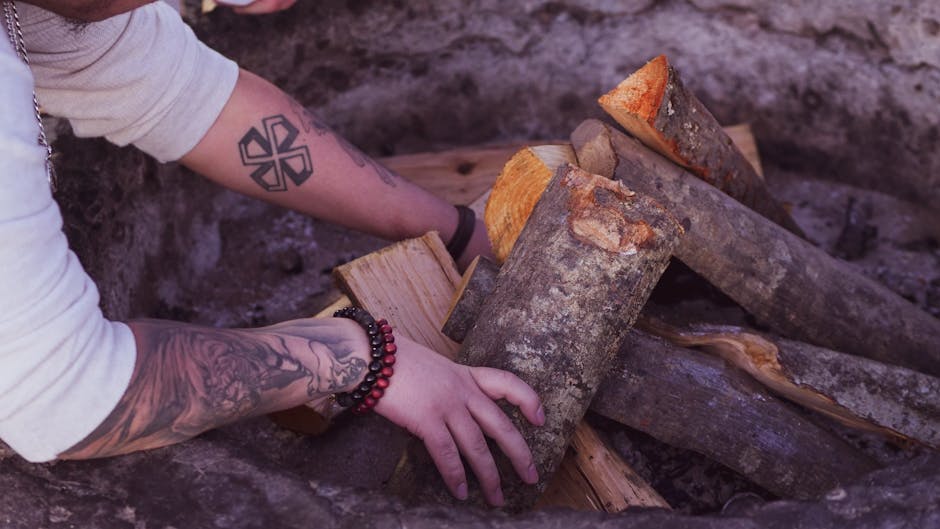
The ability to start and maintain a fire is essential for warmth, cooking, and psychological comfort. Master several methods of fire-starting, from using flint and steel to solar-powered techniques. Always ensure you have a sturdy fire ring and that the area around the fire is cleared of flammable materials to prevent wildfires.
4. Foraging and Hunting for Food
For longer survival scenarios, securing food becomes crucial. Edible plants, fruits, and nuts can often be found in the wild, but knowledge about local flora is essential to avoid poisonous species. Basic trapping, fishing, or hunting skills can also be beneficial, depending on local wildlife and legal restrictions.
Navigating the Wilderness
Navigational skills are critical for wilderness survival to avoid getting lost and to efficiently find your way back to civilization or reach rescue points. Techniques such as using a compass and map, reading the sun’s position, and understanding natural landmarks are incredibly valuable.
Technological Assistance in Navigation
Modern technology, like GPS devices or emergency locator beacons, offers great aid in navigation. However, always prepare for technology failures by carrying traditional navigation tools and knowing how to use them.
Practicing Wilderness First Aid
Accidents or health issues can occur anytime. Basic first aid knowledge — such as how to treat wounds, manage fractures or hypothermia, and recognize symptoms of typical ailments — is crucial. Carrying a well-equipped first aid kit and learning CPR and emergency response techniques can make a significant difference in survival situations or when aiding injured companions.
Packing the Right Gear
Choosing the right gear is vital for survival and comfort in the wilderness. Essential items include a high-quality knife, multi-tool, waterproof matches, sturdy clothing, and a reliable tent or tarp. Extra consideration should be given to weight and functionality to keep your pack manageable yet useful.
Conclusion: The Importance of Continuous Learning
Mastering essential wilderness survival skills requires practice and persistence. Participate in survival courses, practice these skills regularly, and stay updated on new techniques and technologies. Whether planning a casual hiking trip or a rigorous adventure, being prepared with these survival skills ensures a safer and more enjoyable experience in the great outdoors.





