
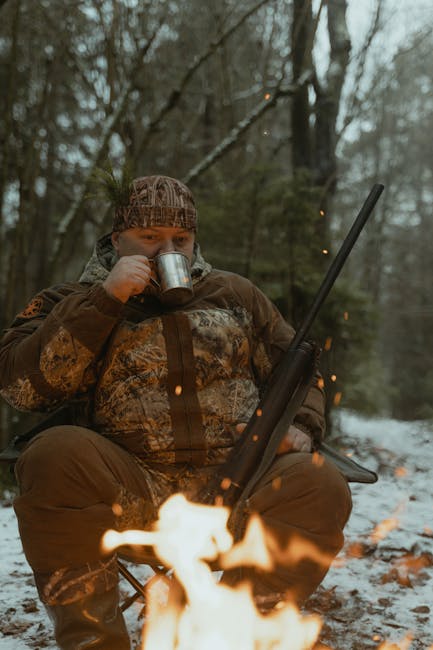
Essential Survival Gear for Extreme Conditions
In the realm of outdoor adventures, preparing for extreme conditions is crucial. Whether you’re planning a trek across the Arctic, a climb up snow-capped mountains, or a journey through the desert, possessing the right survival gear can make the difference between success and peril. This comprehensive guide delves into the essential survival equipment designed to ensure safety, effectiveness, and resilience in harsh environments. By integrating industry expertise and survival tactics, we aim to equip adventurers with the knowledge and tools necessary for overcoming any challenge nature might pose.
Understanding Extreme Conditions
Extreme conditions refer to harsh, often unpredictable climates and terrains. These include but are not limited to freezing temperatures, scorching heat, high altitudes, and dense jungles. The key to thriving in these environments is preparation, starting with understanding the specific challenges each setting presents. The right survival gear helps manage these risks, ensuring safety and comfort.
Must-Have Survival Gear for Harsh Climates
Selecting gear that can withstand extreme weather and rugged landscapes is essential for any adventurer. Here’s an outlined list of indispensable gear:
1. Climate-Appropriate Clothing
Clothing is your first defense against the elements. For cold environments, layering is paramount. Begin with a moisture-wicking base layer, add an insulating middle layer, and top it with a windproof and waterproof outer layer. For hot conditions, choose lightweight, breathable, and UV-protective fabrics to help manage body temperature and prevent sunburn.
2. High-Quality Shelter
A robust tent is a must-have, serving as protection from the elements. Look for features like reinforced seams, durable materials (such as rip-stop fabric), and ease of setup. Consider the weight and packability of the shelter, especially when your expedition requires mobility.
3. Reliable Navigation Tools
In remote areas, GPS devices, maps, and compasses are indispensable. Modern GPS devices are equipped with features like preloaded maps, waypoint marking, and solar charging. However, always carry a traditional map and compass as a fail-safe.
4. Emergency Food and Water Supplies
Pack calorie-dense, non-perishable food items and an adequate supply of water. Additionally, include a portable water filter or purification tablets to ensure access to clean water from natural sources.
5. Multi-Tool and Repair Kits
A sturdy multi-tool can serve myriad purposes, from making repairs to preparing food. Accompany this with a repair kit containing items like duct tape, super glue, and spare parts for any equipment you’re carrying.
Tackling Specific Survival Scenarios with Specialized Equipment
Every extreme condition might require unique tools. Below are some specialized items needed for particular environments:
For Polar Climates:
- Insulated Sleeping Bags: Choose a bag rated for temperatures lower than the coldest expected conditions.
- Ice Axes and Crampons: These are crucial for navigating icy terrains securely.
For Desert Locales:
- Sun Protection Gear: This includes high SPF sunscreen, sunglasses, and a wide-brimmed hat.
- Hydration Packs: Maintaining hydration levels is critical, and a hydration pack allows for easy access to water while on the move.
For Jungle Environments:
- Insect Repellent and Netting: Protect yourself from insect-borne diseases.
- Rain Gear: Be prepared for frequent downpours.
Training and Preparedness
No amount of equipment can substitute proper training and preparedness. Understanding basic survival skills, such as how to make a fire, signal for help, or build a shelter from natural materials, can significantly increase your chances of survival. Consider taking courses or studying survival techniques applicable to various environments.
Frequently Asked Questions
What is the most important survival gear?
Answer: The relevance of survival equipment can vary based on specific conditions, but generally, a reliable way to purify water, maintain core body temperature (through shelter and clothing), and signal for help are critical in any survival situation.
How much water should I carry for a survival trip?
Answer: It’s advised to carry at least a gallon of water per person per day. Adjust this based on the climate, your body’s hydration needs, and the availability of freshwater sources.
Are battery-powered or solar-powered gadgets better for survival situations?
Answer: While battery-powered devices are reliable, they depend on a limited energy source. Solar-powered gadgets offer sustainable energy solutions, especially in sunny conditions. It is prudent to carry both types, if possible, to ensure redundancy.
Conclusion
Investing in quality survival gear tailored to specific extreme conditions, coupled with adequate skills and knowledge, dramatically increases the likelihood of a successful adventure. Embrace the challenge of preparing effectively: your life and safety may depend on it.
Remember, the wilderness does not adapt to you; you must adapt to it. Equip yourself with the right tools, knowledge, and mindset to ensure that you not only survive but also thrive in any extreme condition.





