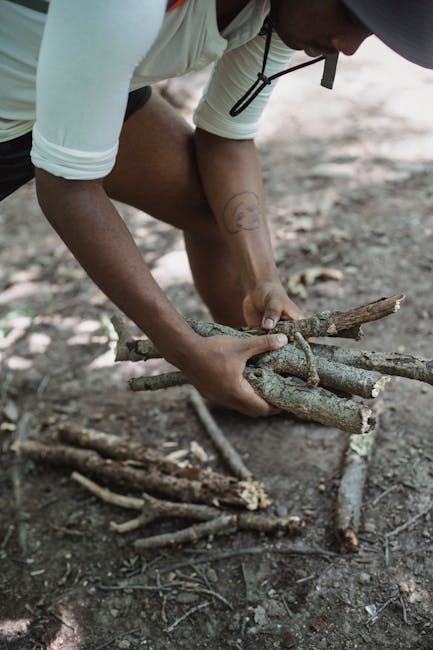
Wild Harvest: The Art and Science of Foraging for Sustainable Cuisine
The modern culinary landscape is continuously evolving, with more individuals and chefs gravitating towards sustainable food sources. Wild harvest, or foraging, has emerged as a revered practice that not only champions the sustainability movement but also enriches our dining experience. This blend of art and science opens a gateway to a myriad of natural flavors, textures, and culinary adventures. Let’s explore the intricate world of foraging and how it contributes to sustainable cuisine.
The Resurgence of Foraging
Foraging, the ancient practice of searching for and harvesting wild food resources, has seen a resurgence in recent years. This renewed interest is driven by several factors, including the quest for more sustainable living, the appeal of reconnecting with nature, and the desire for unique, unprocessed ingredients.
Sustainability and Ecological Impact
One of the primary reasons for foraging’s popularity is its minimal ecological footprint. Foraging encourages a deeper understanding of local ecosystems and promotes a balance with nature. By sourcing wild ingredients, foragers help reduce the demand on commercial farming, which often involves extensive land use, water consumption, and chemical inputs.
Ethical Foraging Practices
Responsible foraging is pivotal to ensure the health and longevity of natural habitats. Here are a few ethical guidelines that every forager should follow:
1. Knowledge of the Environment
Understand the area and its ecosystems. Know which species are endangered and what can be harvested without causing harm.
2. Sustainable Harvesting Techniques
Take only what you need and leave enough behind to ensure plants can reproduce successfully. This practice supports regeneration and biodiversity.
3. Legal Considerations
Always be aware of local laws and regulations related to foraging. Some areas might be protected or have restrictions to safeguard their natural resources.
The Science Behind Foraging
Foraging isn’t just about picking wild berries off a bush; it involves a scientific understanding of the flora and fauna. Foragers must be adept in identifying edible plants, understanding their growth patterns, and knowing their nutritional content. This involves botanical knowledge, nutrition science, and often, a touch of culinary insight to make the most of each harvest.
Nutritional Benefits of Wild Foods
Wild foods are often more nutrient-dense than their cultivated counterparts. For instance, wild greens like dandelion and nettles contain higher levels of vitamins and minerals than most supermarket greens. Foragers not only bring variety to their diet but also enhance their health with fewer pesticides and chemical residues.
Foraging as a Culinary Art
At the intersection of nature and cuisine, foraging transcends traditional cooking. It involves creating dishes that reflect the true essence of the landscape, offering a unique palette of flavors that commercial ingredients seldom provide.
Creative Cuisine with Wild Ingredients
Chef’s around the world are incorporating foraged ingredients into their menus, delivering a story with each dish. Ingredients like wild mushrooms, berries, nuts, and herbs add deep, earthy flavors that elevate the dining experience.
Case Study: Noma
Consider Noma, the renowned restaurant in Copenhagen, which has consistently been ranked as one of the best in the world. Noma’s menu is deeply rooted in foraging, showcasing how wild ingredients can be transformed into sophisticated, delectable dishes.
Foraging: A Gateway to Gastronomical Innovation
Innovation in the kitchen often begins with ingredients. Foraging offers an array of uncommon, diverse ingredients that push chefs and home cooks alike to experiment and innovate. Wild herbs and fungi, seaweeds, and edible flowers often lead to new texture and flavor discoveries.
The Future of Culinary Arts
As we move forward, the integration of foraged foods in everyday cooking is likely to grow. This trend not only supports sustainable food systems but also fosters a greater appreciation for our surroundings. It encourages culinary enthusiasts to think outside the conventional food box.
Getting Started with Foraging
For those interested in beginning their foraging journey, here are some tips to get started:
1. Equip Yourself with Knowledge
Invest in good field guides, participate in workshops, and connect with experienced foragers.
2. Start Simple
Begin with easily identifiable and abundant plants that have no poisonous look-alikes.
3. Use Technology
Apps and online communities can offer identification help and foraging advice.
Conclusion: The Artful Science of Wild Harvest
Whether it’s a simple salad sprinkled with wild violets or a gourmet meal infused with hand-picked mushrooms, foraging redefines what it means to eat well. It represents a blend of ecological responsibility, nutritional benefits, and culinary innovation. As more people turn to foraging to reconnect with nature and enhance their meals, the art and science of wild harvest stand as pivotal elements of sustainable cuisine. Foragers around the world are not just gatherers of wild edibles; they are pioneers at the forefront of the sustainable food movement, exploring uncharted culinary territories with every harvest.