Mastering the Wilderness: Essential Survival Skills Training
The wilderness can be an unforgiving environment, presenting challenges that require fortitude, knowledge, and preparation. Whether you’re planning a hiking trip, considering a wilderness adventure, or simply want to be prepared for unexpected situations, mastering essential survival skills is paramount. From finding shelter and water to understanding navigational basics, this article explores the crucial training needed to ensure safety and confidence in remote settings.
Why Wilderness Survival Skills Are Important
In today’s world, where technology often dictates our daily routines, the thought of surviving in the wild, with limited resources, can seem daunting. However, acquiring such skills isn’t just for extreme adventurers—it’s a form of empowerment that enhances self-sufficiency and equips individuals with the tools to handle unforeseen circumstances. Survival skills can assist in accident situations or when you are lost or stranded in a natural environment.
Core Survival Skills Everyone Should Know
Survival training encompasses a broad range of techniques and strategies. Below, we’ll delve into the most critical skills you should develop to navigate the wilderness confidently.
Finding and Purifying Water
Water is the essence of life, and securing a safe water source is a top priority in the wilderness. Training should include identification of freshwater sources such as streams, rivers, or lakes. Learning to purify water using boiling techniques, chemical purifiers, or portable filtration devices is equally vital, as drinking contaminated water can lead to severe health issues.
Building a Shelter
Protection from the elements is crucial, especially in harsh weather conditions. Survival skills training should teach you how to construct a shelter using natural materials found in the surrounding environment or with items from your emergency kit. Understanding how to create different types of shelters depending on the landscape and climate is a life-saving skill.
Navigational Know-How
Getting lost in an unfamiliar environment is a risk many face in the wilderness. Basic navigation skills, including how to use a magnetic compass, read a map, and recognize natural land features, are essential skills to learn. Nowadays, GPS technology can also aid in navigation, but it’s important not to rely solely on digital devices, which might fail due to lack of signal or battery power.
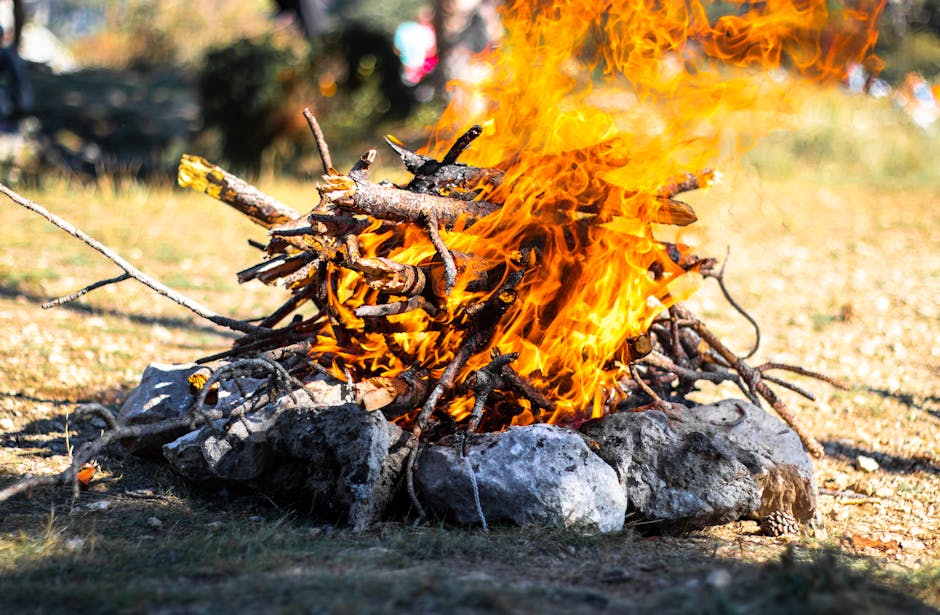
Fire Building Techniques
Fire serves multiple purposes: it can keep you warm, cook food, and signal for help. Survival courses typically cover various methods of fire-starting from scratch, such as using flint, steel, or even the sun with the aid of a magnifier. Safe fire practices also ensure you minimize the environmental impact and prevent wildfires.
Food Acquisition and Safety
When stranded, finding food becomes a critical aspect of survival. Training includes identification of safe, edible plants, knowledge of basic trapping, and if necessary, the fundamentals of hunting. Safety is paramount, as consuming the wrong plants or unsafe animal products can lead to health complications or worse.
Choosing the Right Survival Skills Course
With a plethora of courses available, it’s essential to select one that matches your needs. Consider the following when choosing a survival skills course:
- Credentialing: Look for programs led by certified instructors with proven expertise in survival training.
- Curriculum: Ensure the course covers a comprehensive range of skills from basic to advanced techniques.
- Practical Experience: Choose courses that offer ample practical field experience. Theory alone won’t suffice when the situation demands actual skills application.
- Reviews and Testimonials: Research and read reviews from previous participants to gauge the effectiveness and quality of the course.
Common Questions About Survival Skills Training
Do I Need Any Special Equipment?
Most survival skill courses will provide a list of essential items to bring, which may include a survival knife, compass, first-aid kit, and appropriate clothing. Check with the course provider for specific requirements.
Is Survival Training Safe?
When conducted under the guidance of professionals, survival training is both safe and educational. Instructors ensure that participants learn and practice skills in controlled environments before applying them in more challenging scenarios.
Final Thoughts on Mastering Wilderness Survival
Survival skills training isn’t just for the adventurous soul venturing into the wild. In a world where anything can happen, knowing how to fend for yourself in nature is an invaluable skill set that promotes independence, safety, and peace of mind. By preparing yourself with these essential survival skills, you ensure that you’re ready to face whatever the wilderness might throw your way.
Embracing the challenges of survival training fosters a deep connection with nature, enhances problem-solving capabilities, and builds resilience. Therefore, consider enrolling in a comprehensive survival skills course to better equip yourself for the unexpected but thrilling journey of wilderness exploration.