Essential Survival Skills for the Wilderness
Navigating the wilderness can be an exhilarating experience, but it also poses significant challenges that require essential survival skills. Whether you’re planning a hiking trip into the mountains, a camping adventure in the forest, or any outdoor expedition, being prepared with basic survival knowledge is crucial. This comprehensive guide will cover the essential skills you need to ensure safety and enhance your ability to handle unexpected situations in the wilderness.
Understanding Basic Wilderness Survival Principles
Before venturing outdoors, it’s essential to understand the core principles of wilderness survival. These include the “Rule of Threes” which states that a person can survive three minutes without air, three hours without shelter in harsh conditions, three days without water, and three weeks without food. Keeping these principles in mind can help prioritize your survival strategies based on the environment and the situation at hand.
Finding and Purifying Water
Water is life. One of the first skills any outdoor enthusiast should master is the ability to find and purify water. In many wilderness areas, water may not be readily visible or safe to drink directly. Learning to recognize signs of water presence, such as vegetation patterns or animal tracks, can be lifesaving. Techniques such as boiling, using water purification tablets, or solar water disinfection (SODIS) should be understood and practiced. Investing in a reliable portable water filter is also advisable for any wilderness expedition.
Building a Shelter
Protecting yourself from the elements is crucial, especially in extreme weather conditions. Knowing how to build a shelter using natural materials or with the help of a tarpaulin can prevent hypothermia or other weather-related ailments. A shelter doesn’t need to be elaborate; it needs to keep you dry and insulated. Practice building different types of shelters such as lean-tos, A-frames, and debris huts to broaden your skills.
Navigating the Terrain
Getting lost is a common fear in the wilderness. Familiarize yourself with basic navigation skills including map reading, using a compass, and understanding natural navigational aids such as the position of the sun or the moss growth on trees. Today, technology offers GPS devices and satellite messengers which can be invaluable tools, but understanding traditional navigation methods is crucial if technology fails.
Signaling for Help
In the event that you get lost or injured, knowing how to signal for help can determine your chances of a quick rescue. Some traditional signaling techniques include using a whistle, making a ground-to-air signal with rocks or logs, or creating smoke signals. Always carry a mirror or a high-luminosity flashlight to use for visual signals, and remember, three of any signal (three blasts of a whistle, three flashes of light, three fires) is a universally recognized distress signal.
Starting and Managing a Fire
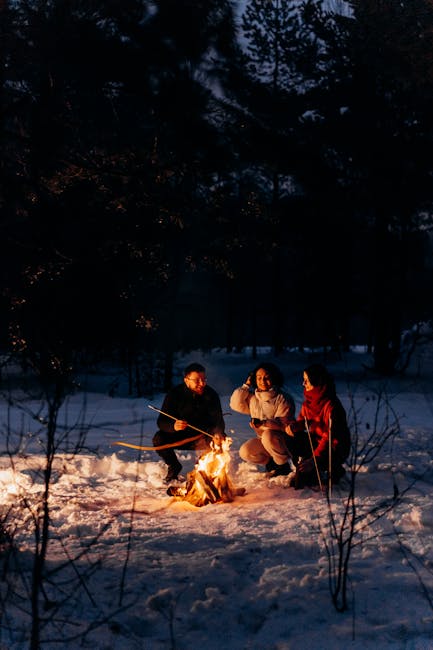
The ability to start a fire is one of the most pivotal survival skills. Fires provide warmth, light, a means to cook food, dry clothing, and even psychological comfort. Learn and practice various methods of fire-starting using matches, lighters, flint strikers, and friction-based methods like the bow drill. Always practice fire safety by clearing a space away from flammable materials and never leaving a fire unattended.
Foraging for Food
While you can survive several weeks without food, foraging can help maintain energy levels and morale. Familiarize yourself with edible plants, insects, and basic hunting or fishing techniques. Always carry a field guide to edible plants of the area you’re exploring and practice ethical foraging practices to minimize environmental impact.
Handling Wildlife Encounters
Encountering wildlife is inevitable in the wilderness. Understanding the behavior of native species and knowing how to handle wildlife encounters safely can prevent potential dangers. Educate yourself on the animals you might encounter, learn how to store food properly to avoid attracting animals, and understand defensive actions to take if an encounter becomes threatening.
First Aid Knowledge
A solid basic understanding of first aid is essential. Knowing how to treat minor injuries, manage hypothermia or heatstroke, and perform CPR can make a significant difference in survival situations. Always carry a well-equipped first aid kit and consider taking wilderness first aid courses.
Conclusion
The wilderness offers a unique escape and can bring out the primal instincts within us. However, respect for nature and the right knowledge and preparation are essential to safely enjoy such adventures. By mastering these survival skills, you prepare yourself to face most challenges that the wilderness might throw your way. Always remember, being prepared is not just a part of survival but an integral aspect of enjoying the great outdoors safely.