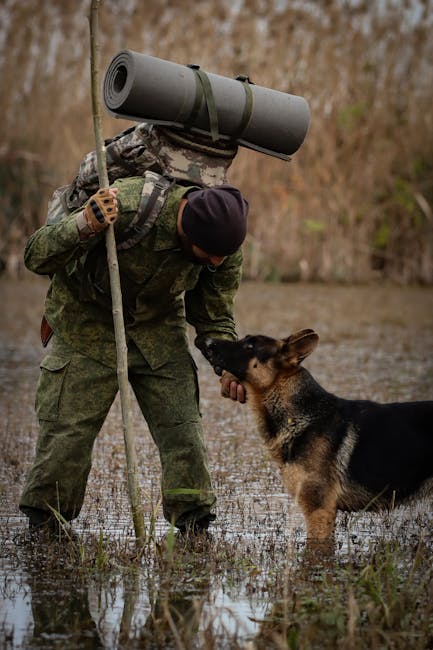
Mastering the Wilderness: Key Insights for Advanced Survival Skills Training
When venturing into the great outdoors, having a foundational knowledge of survival techniques is crucial, but for those looking to truly master the wilderness, advanced survival skills are essential. This article explores the key insights and training techniques that can enhance your ability to thrive in nature, handle emergencies effectively, and emerge unscathed from the challenges posed by wild environments.
Understanding Advanced Survival Training
Advanced survival training goes beyond basic survival skills such as finding water and building a fire. It involves a deeper understanding of environmental dynamics, advanced navigation techniques, emergency medical skills, and the ability to sustain oneself in hostile conditions for prolonged periods. Whether you are a hiking enthusiast, an adventurer, or a professional in the field of outdoor education, these skills are indispensable.
Essential Skills for the Advanced Survivalist
Enhanced Navigation Techniques
One of the cornerstones of advanced survival is the ability to navigate through unfamiliar terrain. This includes mastering the use of a map and compass, understanding topographical maps, and GPS technology. Advanced navigation also involves the skill to navigate by natural signs, such as the position of the sun, moon, and stars.
Procuring Food and Water Sustainably
While basic survival skills teach you how to find immediate sources of food and water, advanced skills focus on sustainable practices. This includes knowledge of trapping, fishing, and foraging techniques that minimize ecological impact while maximizing efficiency. Learning about local flora and fauna is crucial, as this knowledge can provide nourishing and safe sources of food in abundance.
Advanced First Aid and Emergency Medical Skills
In wilderness settings, professional medical help is often hours, if not days, away. Advanced survival training includes comprehensive first aid skills, focusing on treating injuries and illnesses that are specific to wilderness environments. This might include managing snakebites, hypothermia, heatstroke, and severe trauma management.
Building and Managing Shelter
Shelter is one of your first priorities in any survival situation. Advanced skills involve not just creating temporary shelter, but improving it to withstand adverse weather conditions over a longer period. This includes understanding insulation principles, ventilation, and the selection of optimal shelter locations.
Training Methods for Advanced Survival Skills
To truly master advanced survival skills, theoretical knowledge must be combined with practical, hands-on training. Here are some effective methods to consider:
Participate in Wilderness Survival Courses
One of the best ways to gain advanced survival skills is to enrol in courses offered by experts. These courses often take place in various terrains and conditions, which provide real-life scenarios for practicing new skills.
Simulation Exercises
Creating simulated survival scenarios can help reinforce learning. This can involve navigation exercises, mock rescue operations, or setting up camp in controlled, yet challenging environments.
Continuous Learning and Practice
Survival skills can diminish without practice. Regularly updating your knowledge base with the latest survival techniques and technologies, and practicing these skills in a variety of settings, is crucial.
Common Questions on Advanced Survival Skills Training
Are Advanced Survival Skills Necessary for Casual Hikers?
While casual hikers may not need as extensive a skill set as professional adventurers, knowing advanced survival techniques can greatly increase safety and confidence in unexpected situations.
How Often Should I Practice My Survival Skills?
To maintain proficiency, regular practice is essential. Aim to engage in some form of training or simulation at least once every few months.
Can Advanced Survival Skills Be Self-Taught?
While many resources are available, including books and online tutorials, hands-on experience under the guidance of an expert is invaluable. Self-teaching can be complementary but not a substitute for professional training.
Conclusion
Advanced survival skills empower you to handle extreme situations in the wilderness with confidence. From advanced first aid to sophisticated navigation and sustainable resource management, these skills are crucial for anyone serious about engaging with the natural world. Invest in your safety and proficiency by seeking out quality training and continuously challenging yourself with new learning opportunities. Remember, in the wilderness, preparation is key to not just surviving, but thriving.