Mastery of Melee: Techniques and Strategies for Close-Quarters Combat
Close-quarters combat (CQC) or melee combat is a combat technique that focuses on engaging an opponent at a very short range, often requiring physical strength, speed, agility, and strategic thinking. This type of combative engagement is typical in military operations, self-defense, and martial arts. From ancient battlefield tactics to modern law enforcement, mastering melee combat can mean the difference between victory and defeat. This article delves into the core techniques and strategies of melee combat, highlighting the skills necessary to excel in close engagements.
Understanding the Basics of Melee Combat
What is Melee Combat?
Melee combat refers to fighting within a close range, typically arm’s reach, where fighters use handheld weapons or unarmed techniques. Unlike ranged combat, melee focuses on direct physical interaction using a combination of offensive and defensive maneuvers.
Importance in Various Fields
In the military, mastering melee combat skills is crucial for situations where combatants are too close to use firearms effectively. For law enforcement, these skills can subdue an assailant without resorting to lethal force. In civilian self-defense, close-quarters combat skills can be essential in personal protection and safety.
Melee Combat Techniques: Armed and Unarmed
Armed Techniques
Armed melee combat utilizes weapons like knives, batons, or improvised tools. Techniques involve:
- Stabbing and slashing: Using edges and points of a weapon to penetrate or cut the opponent’s body.
- Blocking and parrying: Defensive movements to deflect or redirect an opponent’s strikes.
- Disarming: Techniques aimed at removing a weapon from an opponent’s grasp.
Unarmed Techniques
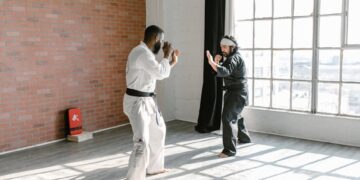
In scenarios where weapons are not an option, unarmed combat techniques are critical. These techniques include:
- Striking: Punches, elbows, knees, and kicks.
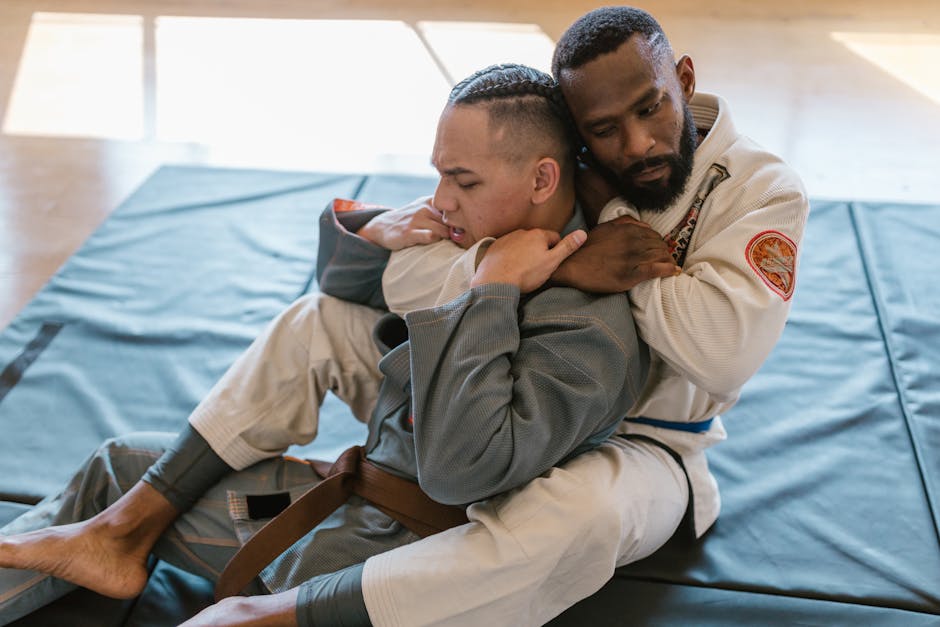
- Grappling: Holds, throws, and submissions.
- Joint locks and chokeholds: Used to immobilize or incapacitate an opponent.
Strategic Considerations in Melee Combat
Situational Awareness
The first rule of any combat scenario is awareness. Fighters must be acutely aware of their surroundings, including potential hazards, escape routes, and the position of other adversaries.
Distance Management
Controlling the distance between you and your opponent is crucial. Close the distance to leverage your strengths in grappling or maintain it to utilize striking or weapon reach.
Energy Conservation
Combat can be physically demanding. Effective fighters manage their energy, maintaining enough reserve to execute powerful techniques or counter an opponent’s moves.
Training and Conditioning for Melee Combat
Physical Conditioning
Successful melee combat requires physical strength, endurance, agility, and flexibility. Training should include cardiovascular exercises, strength training, and flexibility routines to build a body capable of withstanding and executing in close combat.
Technical Skills Development
Regular practice of specific combat techniques ensures they become second nature. This can include drills, sparring, and scenario training designed to mimic real-life encounters as closely as possible.
Mental Preparedness
Combat is as much mental as it is physical. Training should also focus on stress management, quick decision-making skills, and the ability to anticipate an opponent’s moves.
Common Questions About Melee Combat
How do I start learning melee combat skills?
Begin with basic self-defense classes that include elements of melee combat. Look for specialized courses in martial arts like Krav Maga, Brazilian Jiu-Jitsu, or systema, which incorporate extensive CQC techniques.
Is melee combat effective for self-defense?
Absolutely. While you may not always want to engage an attacker up close, having the skills to do so can be crucial in a self-defense scenario.
Concluding Thoughts on Mastery of Melee
Mastering melee combat involves combining physical prowess, tactical intelligence, and constant preparedness. Whether for personal defense, professional duty, or recreational practice, the skills developed through melee combat training can provide confidence and security in knowing you are equipped to handle dangerous, close-range encounters efficiently and effectively.
By understanding the fundamental techniques and strategies of close-quarters combat, practitioners can develop a versatile skill set that is applicable in many high-stress situations. Proper training, constant practice, and a mindful approach to combat scenarios will turn an ordinary individual into a proficient melee combatant.