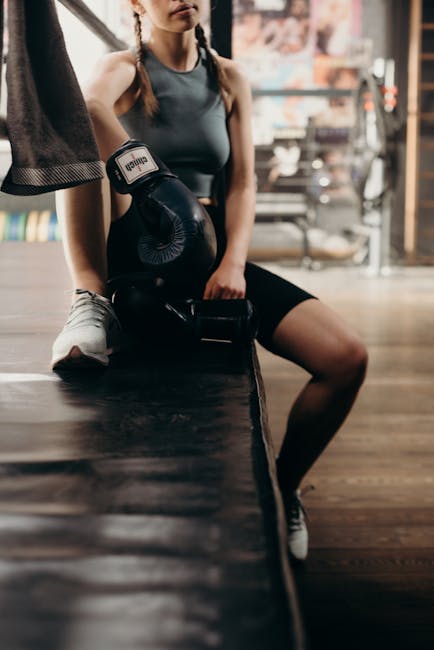
Essential Self-Defense Gear: Choices and Considerations
In today’s world, personal safety has become a paramount concern for many. With increasing reports of personal attacks and crime, individuals are actively seeking ways to protect themselves. Self-defense gear can be a vital component in your safety arsenal. Selecting the right tools involves understanding what is available, how to use it, and the legal implications of carrying and using these devices. Here, we explore various essential self-defense gear, offering insights to help you make informed decisions.
Understanding Self-Defense Gear
Self-defense gear encompasses a range of tools designed to enhance personal safety through deterrence or defensive actions. These can include non-lethal options such as pepper spray and tasers, as well as more proactive tools like personal alarms and surveillance equipment. The choice of gear often depends on personal comfort, the legalities in your region, and the specific situations you might anticipate.
Non-lethal Weapons
Non-lethal weapons are a popular choice for self-defense because they can effectively incapacitate an attacker without causing permanent harm. Options include:
- Pepper Spray: Easy to carry and legal in most areas, pepper spray causes temporary blindness and intense skin irritation, giving you time to escape.
- Stun Guns and Tasers: These devices deliver an electric shock that temporarily disrupts muscle function. While highly effective, it’s crucial to check local regulations as some areas restrict their use.
- Personal Alarms: These loud, attention-grabbing devices can deter attackers and alert others to your distress. They are non-aggressive, legal everywhere, and suitable for all ages.
Physical Defense Tools
For those willing to engage more directly, there are tools designed to enhance physical defense:
- Tactical Pens: A tactical pen looks like a regular pen but is made from robust materials. It can be used as a stabbing tool in emergencies.
- Self-Defense Keychains: Typically featuring sharp edges or points, these fit onto keyrings, ensuring they are always reachable.
Considerations for Choosing Self-Defense Gear
Choosing the right self-defense equipment involves several considerations to ensure effectiveness and compliance with laws:
1. Legality
Before purchasing any self-defense tool, familiarize yourself with the laws in your area. Some states or countries have strict regulations regarding what you can carry and how it may be used. For example, carrying a concealed pepper spray might be allowed in one state, while completely forbidden in another.
2. Ease of Use
Select gear that you are comfortable using. In high-stress situations, simplicity and ease of use are crucial. Complicated mechanisms or tools that you are unfamiliar with can hinder your defensive response instead of helping it.
3. Concealment
Your self-defense tool should be easy to carry discreetly but accessible in an emergency. Products that are too bulky or difficult to conceal might not be practical for everyday carry.
4. Training
Proper training on how to use self-defense tools effectively is just as important as the gear itself. Consider taking self-defense classes or specific training courses for the tools you decide to carry.
Popular Self-Defense Gear Products and Features
When shopping for self-defense equipment, considering the features of specific products can help in making the best choice:
- Pepper Spray: Look for options with a safety lock and a substantial range (typically 10-12 feet). UV marking dye is a helpful feature as it marks the assailant for police identification.
- Stun Guns: Check the voltage to ensure it’s powerful enough to incapacitate an attacker effectively. Rechargeable units are convenient and economical in the long run.
- Personal Alarms: A device with a decibel rating over 120 can effectively draw attention. Consider models with an easy-to-activate mechanism.
- Tactical Pens: Ensure the pen is made of durable material like aircraft-grade aluminum. Some models come with additional features like glass breakers or built-in flashlights.
Where to Buy Self-Defense Gear
Quality self-defense products can be found at specialized stores or online platforms dedicated to personal security. Reputable brands often provide additional resources, such as user manuals and training videos, which are invaluable for new users. Always read reviews and possibly consult with security professionals to find the most reliable and effective products.
Conclusion
In today’s ever-changing world, being prepared with the right self-defense gear can offer peace of mind and real protection. By understanding the legal implications, ease of use, and proper training required for various self-defense tools, you can make informed, effective choices about your personal safety equipment. Remember, the best defense is always to be aware of your surroundings and to avoid dangerous situations whenever possible.