Exploring Rugged Terrain: Field Testing Gear for Extreme Conditions
The allure of the great outdoors with its uncharted terrain and untamed wilderness has always drawn the adventurous. However, exploring these extreme environments requires not only courage and resilience but also the right gear. Field testing outdoor gear under these challenging conditions is crucial to ensuring safety, comfort, and success in outdoor adventures. This article delves into the essentials of preparing and selecting equipment designed to withstand the planet’s harshest environments.
Understanding the Importance of Proper Gear Testing
Before stepping into the wilderness, understanding the significance of using well-tested gear cannot be overstated. Gear failure in remote locations can lead to severe consequences. Manufacturers often conduct extensive field testing to simulate real-world use ensuring their products can handle extreme cold, heat, moisture, and abrasive terrains.
Key Factors in Gear Testing
To ensure the reliability of outdoor equipment, several critical factors are considered during field testing:
- Durability: Equipment is tested for its ability to withstand repeated use under harsh conditions.
- Functionality: Gear must perform its intended function flawlessly, from tents providing shelter to boots offering stable traction.
- Comfort: Equipment should maintain comfort over long durations, crucial for enhancing the user’s endurance and performance.
- Weight: Lightweight yet robust materials are preferred to ease the physical burden on adventurers.
Selecting the Right Gear for Extreme Conditions
Choosing the correct equipment is pivotal for anyone venturing into extreme environments. Here’s a look at essential gear components critical for rugged terrain explorations.
1. Footwear for Rugged Terrains
One cannot overemphasize the importance of reliable, sturdy footwear. Look for boots that offer superior ankle support, slip-resistant soles, and robust construction to withstand rough terrains like rocky paths and muddy trails.
2. Weather-Appropriate Clothing
Your clothing should protect against the specific weather conditions of your destination. Layering is key: breathable materials for the base layer, insulation for the middle, and a waterproof yet breathable outer layer.
3. Durable Backpacks
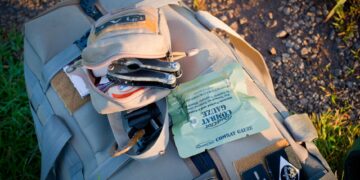
High-quality backpacks designed for extreme conditions should feature weather-resistant materials, ergonomic designs for weight distribution, and ample compartments for organized storage.
High-Tech Gear Innovations
Technological advancements have radically transformed outdoor equipment:
- Material Technology: The development of new synthetics offers improved insulation and durability.
- Wearable Tech: Devices that monitor weather conditions, GPS trackers, and advanced communication tools have become essential for safety and navigation.
Preparing for Specific Environmental Challenges
Different environments pose unique challenges, making it essential to tailor your gear to the expected conditions.
1. Cold Climates
In frigid settings, prioritize thermal insulation. Opt for gear with proven effectiveness in sub-zero temperatures — this includes thermal sleeping bags, insulated boots, and gloves.
2. Wet Environments
Waterproofing is critical. Ensure that all your gear, from clothing to packs, is equipped with water-resistant features to handle rain-heavy climates.
Field Testing in Real-World Scenarios
Field testing should mimic the specific conditions you’ll face. This involves:
- Location-Specific Testing: Test gear in environments that closely resemble your target destination.
- Extended Trial Periods: Use the gear over extended periods to evaluate durability and long-term comfort.
- User Feedback: Gather insights from seasoned adventurers who have tested the gear in the field.
Common Questions About Field Testing Gear
Q1: How often should gear be tested?
Testing should occur both initially and periodically throughout the lifetime of the gear, especially after extensive use or exposure to severe conditions.
Q2: Can I rely solely on manufacturer testing?
While manufacturer tests are essential, independent testing or additional personal field trials can provide added assurance.
Q3: What is the best way to simulate extreme conditions during testing?
Utilizing environmental chambers and field testing by professionals who replicate typical usage scenarios can offer realistic insights.
Conclusion
Exploring rugged terrain requires more than just mental and physical preparation; it necessitates having the right equipment that won’t let you down. Field testing gear for extreme conditions is not just about evaluating its current capabilities but also about foreseeing and mitigating potential failures. With the right gear, tested and proven, your adventure into the extremes not only becomes safer but also more enjoyable. Use this guide as a stepping-stone for gearing up for your next extreme outdoor adventure.