Essential Survival Tools for the Unpredictable Wilderness
Navigating the unpredictable wilderness requires not just skill and experience but also the right set of tools. Whether you’re hiking, camping, or engaged in any outdoor adventure, being prepared with essential survival tools can make a significant difference in your safety and survival. This guide will explore the must-have survival tools that are crucial for facing the unpredictable elements of the wild.
1. High-Quality Survival Knife
A survival knife is perhaps the most critical tool in any outdoor survival kit. Ideal for building shelter, preparing food, crafting tools, or self-defense, a durable and versatile knife ensures you’re ready for any situation. Look for options with a full tang, fixed blade for reliability and strength.
2. Multi-Tool
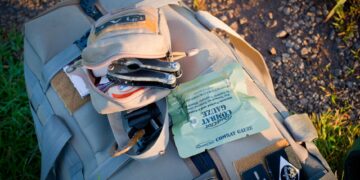
Next to the survival knife, a multi-tool is indispensable. Its versatility allows for solving various problems from repairing gear to medical emergencies. Features to consider include pliers, screwdrivers, bottle openers, and scissors. Compact and lightweight, multi-tools save space and weight in your backpack.
3. Emergency Shelter
Exposure to harsh elements can be life-threatening. An emergency shelter—be it a lightweight tent, emergency bivy, or space blanket—provides critical protection from wind, rain, and snow. Make sure it’s made of durable, waterproof, and lightweight material for easy transport and setup.
4. Water Purification System
Access to clean drinking water is crucial. Since carrying large quantities of water can be impractical, equip yourself with a reliable water purification system. Options range from purification tablets and portable filters to UV purifiers. Stay hydrated without the risk of waterborne illnesses by choosing a system suited for the wilderness conditions you expect to face.
5. Fire Starting Tools
Ability to start a fire is essential for warmth, cooking, and signaling for help. Fire starters, such as waterproof matches, lighters, and magnesium fire starters, should be an integral part of your survival gear. Keep these items in a waterproof container to ensure they’re ready to use even in wet conditions.
6. Navigation Tools
Getting lost is a common challenge in the wilderness. Reliable navigation tools—a map and compass, or a GPS device—are indispensable. While electronic devices offer convenience and accuracy, always carry a traditional map and compass as backups. Ensure you’re skilled in using these tools to avoid dependency on technology that might fail.
7. First Aid Kit
Injuries can occur unexpectedly. A well-stocked first aid kit can be a lifesaver, helping manage injuries until professional medical help is available. Your kit should include antiseptics, bandages, pain relievers, allergy medications, and tools like tweezers and scissors. Consider adding a comprehensive guide to wilderness first aid practices in your kit.
8. Flashlight or Headlamp
Navigating or setting up camp in the dark without proper lighting can be dangerous. A reliable flashlight or headlamp is essential, with extra batteries or a solar-powered option ensuring prolonged usage. Opt for durable, waterproof models designed for outdoor environments.
9. Signal Devices
In emergency situations, being able to signal for help can make a life-saving difference. Include devices like a whistle, mirror, or flares in your survival kit. These tools help in making your position known to rescuers, especially if you are incapacitated or stranded.
10. Extra Food and Clothing
Lastly, always pack extra non-perishable food and clothing appropriate for the environment. High-energy foods like nuts, jerky, and bars can be vital when you need to maintain your energy. Additionally, layering clothes help manage changing temperatures and weather conditions effectively.
Conclusion
Being well-prepared with the right survival tools can make all the difference in the unpredictable wilderness. Whether you are planning a short hike or an extended expedition, ensure that these tools are a part of your gear. Remember, the goal isn’t just to survive, but to enjoy and return safely from your outdoor adventures.