Mastering the Art of Close Quarters: Techniques and Strategies
Close quarters combat (CQC) or close quarters battle (CQB) is a tactical concept that involves physical confrontation between several combatants at very short range. Whether in military operations, law enforcement, or civilian self-defense, mastering close quarters techniques is essential for effective conflict resolution and safety. In this article, we explore the essential techniques and strategies of close quarters mastery.
Understanding Close Quarters Combat
Close quarters combat typically takes place in confined environments such as rooms, corridors, or in crowded urban areas. The proximity to the adversary drastically affects the dynamics of the encounter, making traditional fighting techniques less effective or even impractical.
Definition and Scope
CQC involves both armed and unarmed combat techniques that are adapted to work effectively where space is limited. This may include hand-to-hand combat, the use of handheld weapons, and strategies for using environmental elements advantageously.
Importance in Modern Conflict
With urbanization and the changing nature of conflicts, close quarters tactics have become increasingly important. Military and police forces worldwide train extensively in CQC to handle situations like hostage rescues, anti-terror operations, and high-risk arrests effectively.
Key Techniques in Close Quarters Combat
Successful close quarters combat requires a blend of various martial arts techniques, tactical movements, and mental preparedness. Here we highlight major techniques used in high-stress environments.
Hand-to-Hand Combat Skills
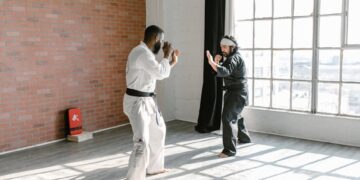
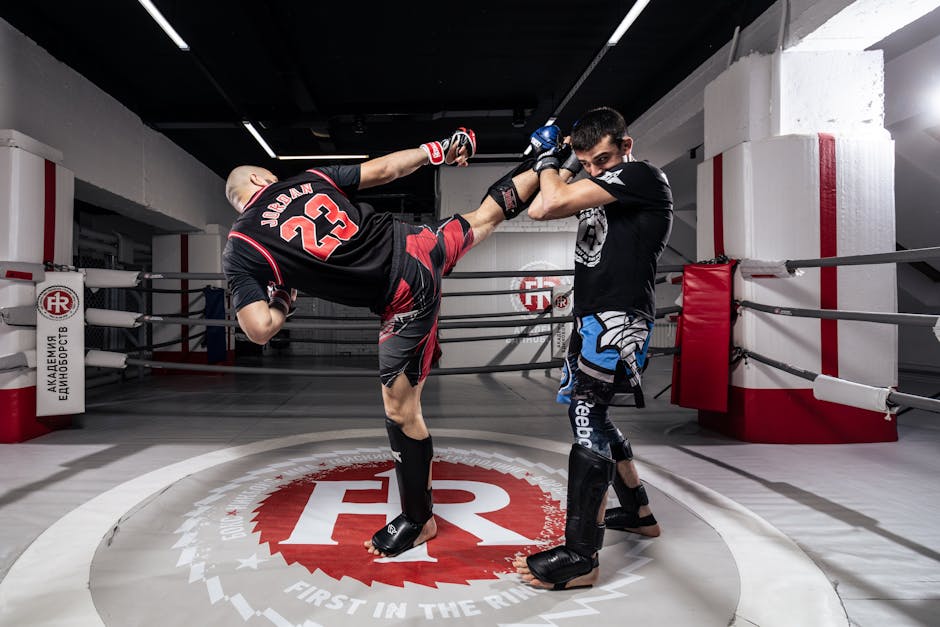
Developing proficiency in martial arts such as Krav Maga, Brazilian Jiu-Jitsu, or Judo can be significantly advantageous. These combat styles offer techniques that are effective in neutralizing threats quickly and efficiently in tight spaces.
Weapon Handling
Knowing how to handle and manipulate firearms in close quarters is crucial. This includes quick target acquisition, proper shooting stance that allows for mobility, and firearm retention techniques to prevent the weapon from being taken away.
Situational Awareness
Being aware of your surroundings and being able to anticipate the adversary’s moves is vital. Training in situational awareness involves the constant assessment of environmental elements and the behavior of others to make quick, strategic decisions.
Strategies for Enhancing Close Quarters Skills
To be effective at close quarters combat, regular training and strategic thinking are paramount. Here are some strategies to enhance these skills.
Regular and Varied Training
Training in a variety of scenarios can prepare one for the unpredictable nature of CQC. Drills should include different settings, varying numbers of adversaries, and diverse tactical situations to develop adaptability and quick thinking.
Stress Simulation
Exposure to stress-induced training scenarios can help prepare for the high tension and adrenal response typical in actual combat situations. Training methods might include simulations that replicate potential real-life encounters, increasing in complexity and intensity over time.
Continuous Learning
The landscape of close quarters combat continues to evolve. Keeping updated with the latest techniques, strategies, and technologies in security and defense will maintain effectiveness. Participating in workshops and seminars can also provide insights and networking opportunities with other experts in the field.
Common Questions in Close Quarters Combat
How do I maintain my composure in a high-stress close quarters scenario?
Maintaining composure comes from confidence, which is built through rigorous and continuous training. Breathing techniques and mental conditioning can also help manage stress levels effectively during combat.
What are the legal implications of using lethal force in close quarters defense?
In civilian self-defense scenarios, the use of lethal force must be justified with a clear, imminent threat to life. It’s essential to understand the laws concerning self-defense in your jurisdiction. Training often includes legal education on when and how force can be legally and ethically deployed.
Can civilians receive close quarters combat training?
Yes, civilians can train in close quarters techniques, often offered by self-defense schools or private security trainers. These courses are tailored to provide skills for personal protection and home defense without requiring military-grade combat training.
Conclusion: Enhancing Readiness and Safety
Mastering the art of close quarters requires dedication, strategic understanding, and continual skill enhancement. Whether for personal defense or professional necessity, effective training and awareness can drastically increase the capability to manage threats in close proximity. By integrating these techniques and strategies into one’s training regimen, individuals and teams can ensure their readiness and safety in any high-stress encounter.