[ad_1]
Mastering the Art of Self-Defense: Unleashing the Power of Defensive Postures
Self-defense is a crucial skill that everyone should possess in order to protect themselves in dangerous situations. By mastering the art of self-defense, you can unleash the power of defensive postures to effectively ward off potential threats and ensure your safety. In this comprehensive guide, we will explore the importance of self-defense, the key defensive postures to master, and how to integrate them into your daily routine.
The Importance of Self-Defense
Self-defense is not just about physical strength or fighting skills – it is about being aware of your surroundings, recognizing potential threats, and knowing how to respond to them effectively. By learning self-defense techniques, you can boost your confidence, improve your physical fitness, and ultimately protect yourself from harm.
Self-defense is particularly important for vulnerable populations, such as women, children, and the elderly, who may be targeted by attackers. By mastering self-defense techniques, you can empower yourself to stay safe in any situation and defend yourself against potential threats.
The Power of Defensive Postures
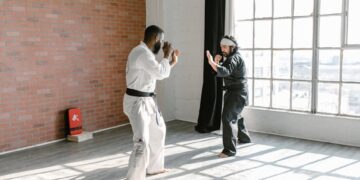
Defensive postures are essential components of self-defense, as they allow you to protect yourself from physical attacks and create a barrier between you and your attacker. By mastering defensive postures, you can effectively block strikes, deflect blows, and maintain a strong and stable stance in the face of danger.
There are several key defensive postures that you should master in order to enhance your self-defense skills, including the following:
1. The Guard Position
The guard position is a fundamental defensive posture that involves keeping your hands up to protect your face and body from strikes. By assuming the guard position, you can create a barrier between you and your attacker and be ready to respond to any incoming attacks.
2. The Stance
Your stance is another crucial defensive posture that determines your stability and mobility in a self-defense situation. By maintaining a strong and balanced stance, you can move quickly and effectively to defend yourself against potential threats.
3. The Blocking Technique
Blocking techniques are essential defensive postures that allow you to deflect strikes and protect yourself from physical attacks. By mastering blocking techniques, you can effectively neutralize incoming blows and create openings for counterattacks.
Integrating Defensive Postures into Your Routine
Once you have mastered the key defensive postures, it is important to integrate them into your daily routine in order to maintain your self-defense skills and ensure your safety. By practicing defensive postures regularly, you can build muscle memory, improve your reflexes, and be prepared to defend yourself in any situation.
There are several ways to incorporate defensive postures into your routine, including the following:
1. Practice Defensive Postures at Home
You can practice defensive postures at home by setting aside time each day to work on your stance, guard position, and blocking techniques. By practicing in a safe and controlled environment, you can refine your defensive skills and build confidence in your ability to protect yourself.
2. Take Self-Defense Classes
Self-defense classes are a great way to learn new defensive postures, practice with experienced instructors, and connect with other individuals who share your commitment to self-defense. By taking self-defense classes, you can enhance your skills, receive feedback on your technique, and stay motivated to improve your self-defense abilities.
3. Role-Play Scenarios
Role-playing scenarios are effective ways to test your defensive postures in realistic situations and simulate potential threats. By practicing with a partner or instructor, you can refine your responses to different types of attacks, improve your decision-making skills, and prepare yourself for real-life self-defense situations.
Common Questions About Self-Defense and Defensive Postures
1. What are the benefits of mastering defensive postures?
Mastering defensive postures can help you protect yourself from physical attacks, boost your confidence, improve your reflexes, and stay safe in dangerous situations. By mastering defensive postures, you can enhance your self-defense skills and empower yourself to defend against potential threats.
2. How can I improve my defensive postures?
You can improve your defensive postures by practicing regularly, seeking feedback from experienced instructors, and focusing on proper technique and form. By dedicating time and effort to mastering defensive postures, you can enhance your self-defense skills and be prepared to defend yourself effectively in any situation.
3. What should I do if I feel threatened in a self-defense situation?
If you feel threatened in a self-defense situation, it is important to stay calm, assess the threat, and respond appropriately. By relying on your training and mastering defensive postures, you can protect yourself from harm and ensure your safety in dangerous situations.
Conclusion
Mastering the art of self-defense and unleashing the power of defensive postures is essential for protecting yourself in dangerous situations and staying safe in any environment. By learning key defensive postures, integrating them into your routine, and practicing regularly, you can enhance your self-defense skills, boost your confidence, and empower yourself to defend against potential threats. Remember, self-defense is not just about physical strength – it is about being aware, prepared, and ready to protect yourself in any situation.
[ad_2]